How Two Kenyan Women Are Shaping Marine Conservation
"It Opened My Eyes to the True Cost of Seafood"
Jabi Katy Chale
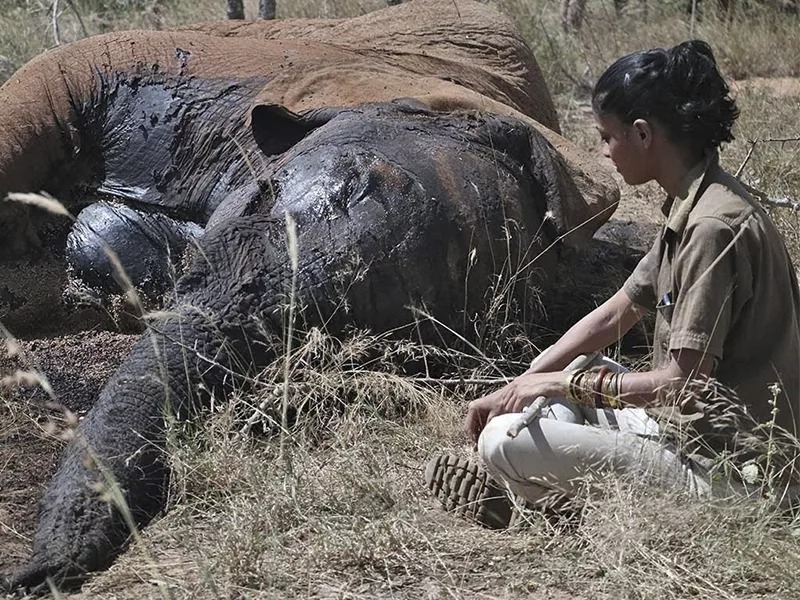
In April 2021, Raabia Hawa stood on a beach in Kenya’s Tana Delta staring at the bodies of several dead sea turtles and dolphins that had washed ashore. Until then, the honorary wildlife ranger had spent years protecting elephants and forests. The ocean was a world she knew little about. But what she would discover that day, and later aboard a commercial trawler, would pull her into a fight against one of the greatest threats facing Kenya’s marine life.
In Kenya’s Lamu County, a growing number of women are challenging social expectations and taking on leadership roles in protecting marine ecosystems. Raabia is among them.
For days, local fishermen had been contacting her, reporting that turtles and dolphins were washing ashore. Concerned, she travelled to the coast to investigate.
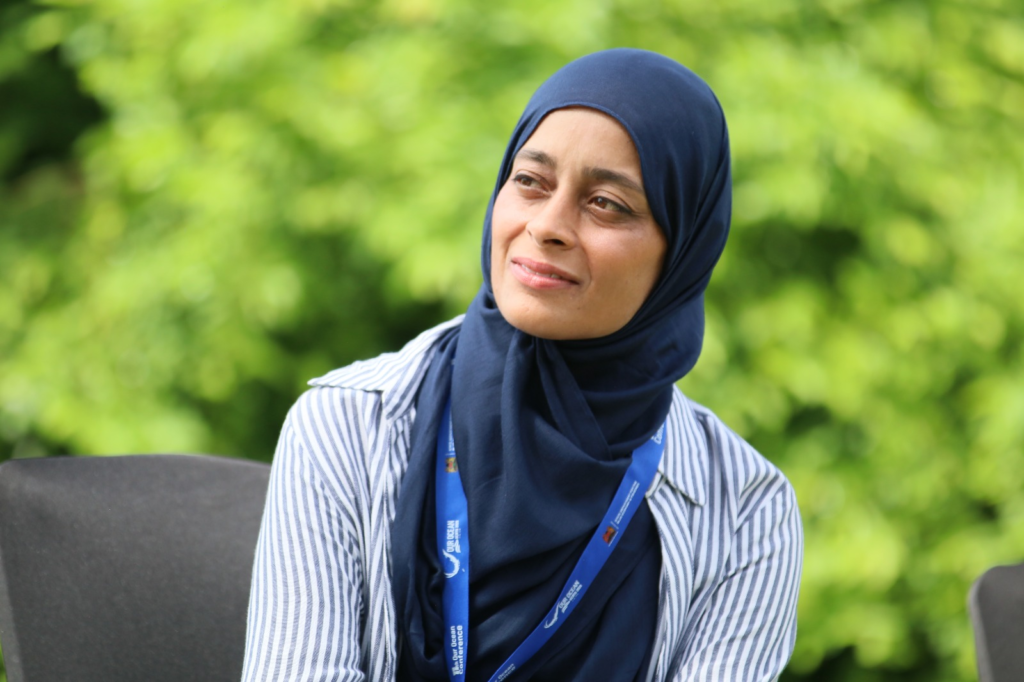
“They showed me all of the dead turtle carcasses and the dolphins. It was devastating. They also showed me the ship that they claimed was the reason for all of those mortalities,” Raabia said.
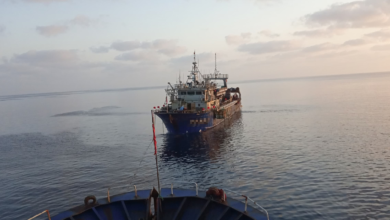
Working alongside the Kenya Wildlife Service, Raabia boarded the commercial fishing vessel that local fishers believed was responsible for the deaths. What she saw onboard transformed her understanding of the threats facing marine life.
“They have these big trawling nets. And then they drop them down to the ocean floor and drag the nets along the ocean floor. They pick up absolutely everything,” Raabia recalled.
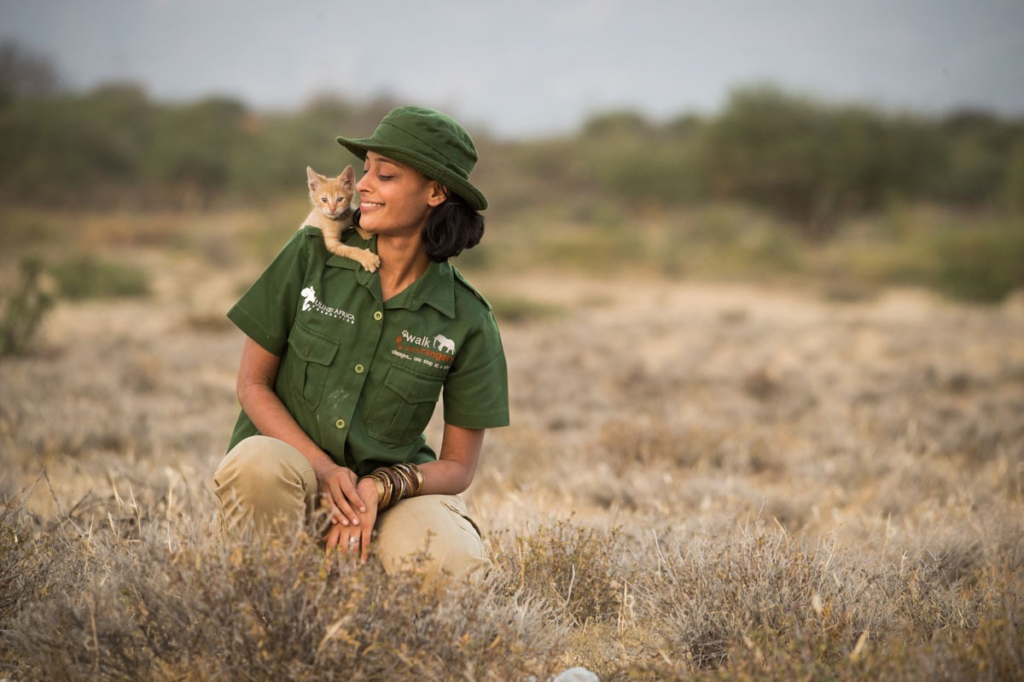
“What comes out is everything from the ocean: starfish, sea turtles, guitarfish, rays, baby sharks, things that you wouldn’t expect would come out in a prawn trawling net. I realised that the bycatch is more than 95% of the target species, which of course is unsustainable.” She added.
For Raabia, the experience became her first encounter with the scale of illegal, unreported and unregulated (IUU) fishing and its impact on marine ecosystems.
“It opened my eyes to what the true cost of our seafood is,” she said.
IUU fishing remains a major challenge across coastal nations, including Kenya. According to the Food and Agriculture Organization (FAO), the country loses an estimated KSh 40–45 billion ($348 million) annually to IUU fishing, affecting both marine ecosystems and communities that depend on fishing for their livelihoods. An estimated 129,300 people in Kenya rely on fishing and fish farming activities.
The coastal communities where Raabia works depend almost entirely on the ocean. Yet despite living beside it, many fishermen were returning home with almost nothing to feed their families.
” I spend a day out on the landing sites, and you see like huge catches coming out, like, you know, buckets and buckets full of massive fish, small fish. And then I get invited for dinner on the same day to a fisherman’s house. And between three adults and two children were sharing one tail of a fish”. Raabia remarked.
Raabia began working with communities to strengthen their advocacy and help them report their concerns through official channels. Previously, residents had mainly taken their complaints to local authorities through protests, with little response. Together, they documented evidence of dead marine animals and submitted a formal complaint to government authorities. The advocacy efforts contributed to a local ban on trawling in the area in 2023, according to Rabia.
“So, we have enjoyed a trawling-free sea since 2023,” she says.
The Tana Delta is a Ramsar site and a key biodiversity hotspot located in the coastal region of Kenya. Approximately 90% of the delta lies in Tana River County, and about 10% lies in Lamu County. Lamu County has an estimated population of 143,920 people and about 75 of the local population and community livelihoods depend directly or indirectly on fisheries and Marine resources. 44% of the people are exclusively reliant on fishing and fish trade.
The localized ban on trawling in that area, Raabia says, has drastically reduced the rate of dead sea turtles and dolphins washing ashore and increased artisanal fish catches.
But conservation has not only involved confronting environmental challenges. For Raabia, it has also meant challenging expectations about the role of women in coastal communities. Growing up in a Muslim community along Kenya’s coast, she says women were rarely encouraged to travel alone, work alongside men or spend time in remote landscapes. As a woman working with male fishers, rangers and enforcement officers, Raabia and her father faced questions about her choices.
“My community was not very supportive,” she says. “I am very lucky that I have had a supportive father. He was my champion and my rock.”
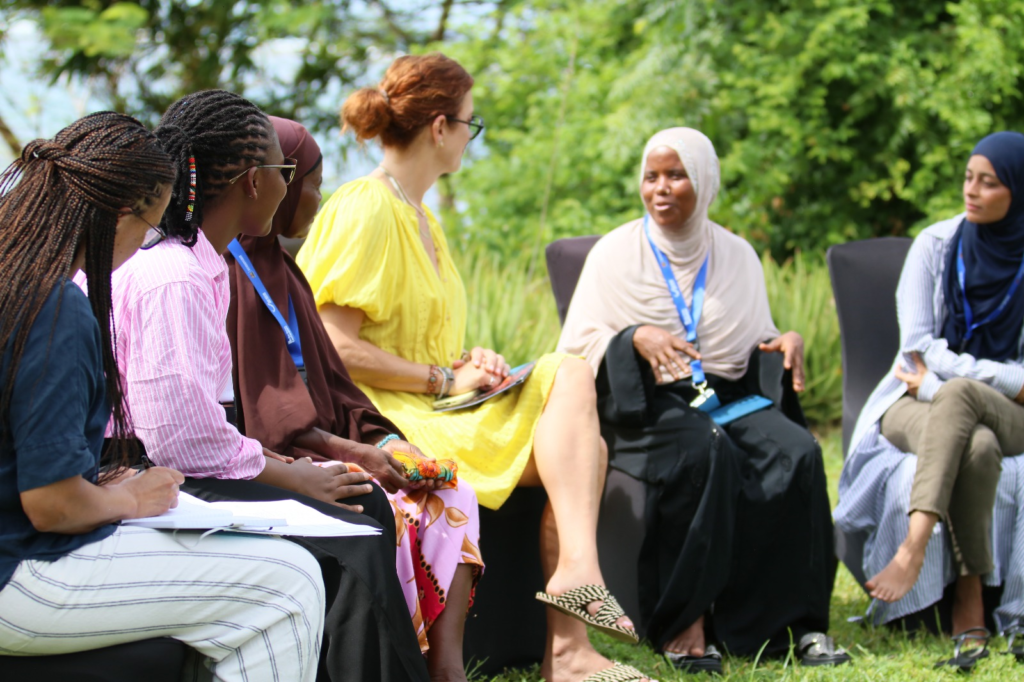
Today, she works to create opportunities for other women through wildlife experiences for girls and mentorship programmes under the community network Friends of Ulinzi. She also advocates for women’s inclusion in ocean governance, a space where decisions have traditionally been dominated by men.
But Raabia is not alone in confronting these challenges along Kenya’s coast.
Several hundred kilometres along the same coastline, another woman is battling many of the same challenges in her journey of reshaping her community’s relationship with the sea.
Known locally as Mama Mikoko, or Mother Mangrove, Zulfa Hassan has become one of the leading voices for sustainable mangrove conservation in her community. But her conservation journey is also shaped by social barriers.
“As a woman within the community, there is an expectation that your responsibility is taking care of the children, the husband and the home,” Hassan explained. “For us to engage in activities beyond that, there was some friction within households between women and their spouses.”
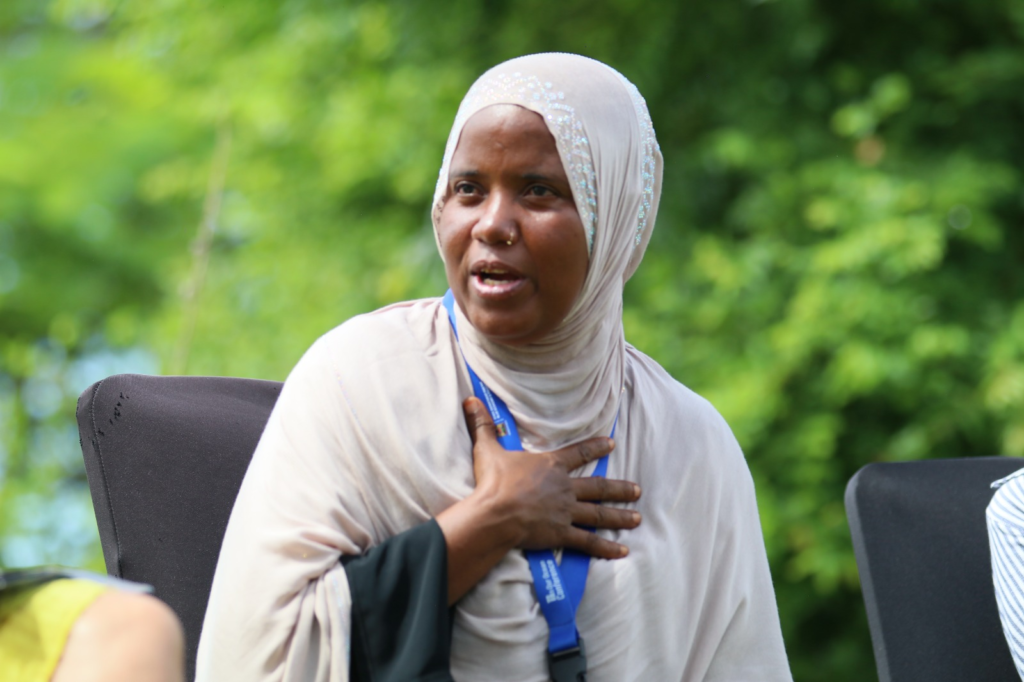
Mangrove harvesting has traditionally been dominated by men, while many of the people pushing for restoration are women. Hassan says these created tensions around who had authority over the use and protection of natural resources.
“The power dynamic created a lot of tension within the community,” she said.
Hassaan’s conservation journey began in 2018 after a learning exchange visit to Madagascar, where she saw communities restoring degraded mangrove forests. Inspired by what she saw, she returned home determined to restore the mangroves around Pate Island, which had been heavily depleted due to overexploitation for timber, fuelwood, and the belief that mangroves were an unlimited resource.
Together with other women in her community, she began replanting in degraded areas while educating communities about the importance of mangroves. The group also promoted alternatives to reduce pressure on the forests.
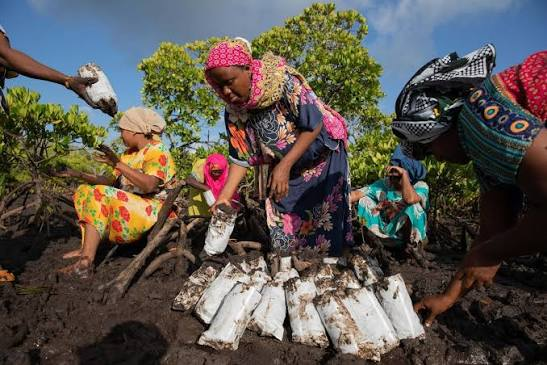
“We understand that it is our responsibility to take care of these resources so that they don’t run out, and that has helped a lot,” Hassan said. “We have seen the mangroves come back. We have seen the fish come back.”
According to UN Women, women play a major role in small-scale fisheries, making up as much as half of the workforce and up to 90% of post-harvest processing roles in some regions. Yet many still lack formal recognition, labour rights and representation in decisions affecting marine resources.
For Hassan, changing this reality has meant ensuring that women are not only involved in conservation activities but are also recognised as leaders within their communities.
The Mangrove Alliance estimates that mangroves in Lamu county which consists of 60% of Kenya’s mangrove forest, degrade at approximately 60 hectares per year, with over 40% of the area facing varied levels of depletion. This loss is attributed to overexploitation, illegal logging and climate pressures.
Hassan has led a group of almost 30 women in planting more than 200,000 mangroves, restoring over 20 acres, about 75% of the mangrove forest in her locality.
What started as a small women’s self-help group on Pate Island has grown into the Mangrove Restoration Initiative, a community organisation bringing together women, men and young people around a shared vision for protecting coastal ecosystems. Their initiative has also provided jobs to community members who work in the alternative livelihood schemes and enforcement programs. As chairperson, Hassan has become a voice for women’s participation in conservation groups and Beach Management Units, where female representation was previously limited.
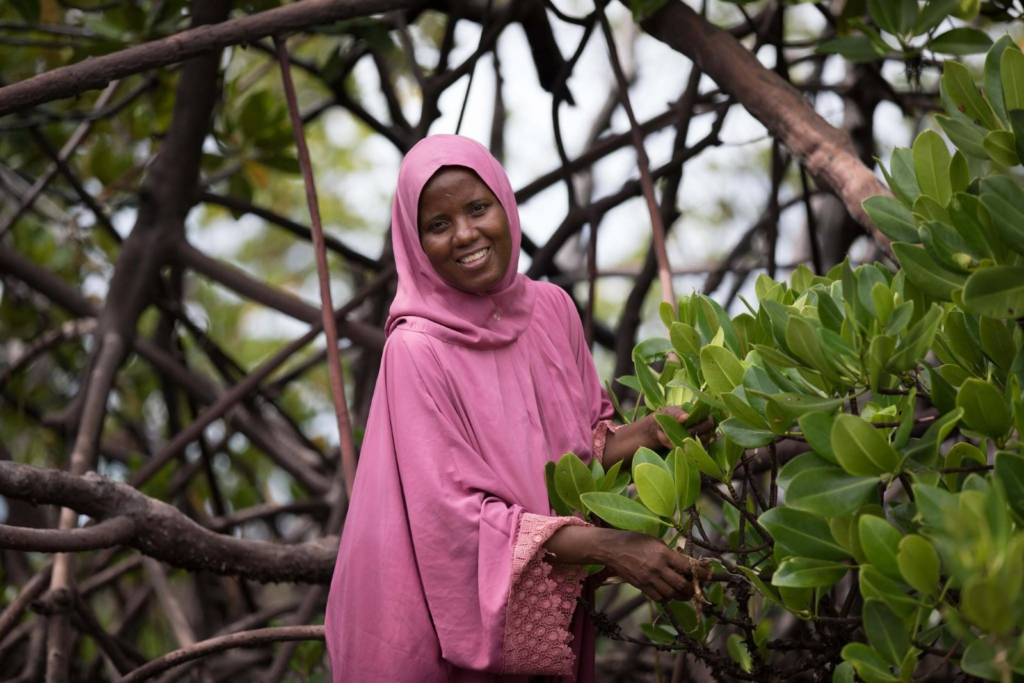
Although these two women work differently: Raabia confronting destructive industrial fishing, and Hassan restoring degraded mangrove forests, both women describe similar resistance embedded in gender and religious expectations.
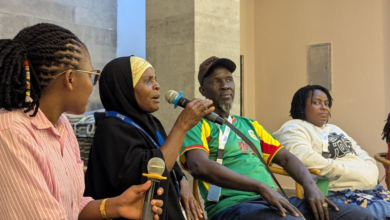
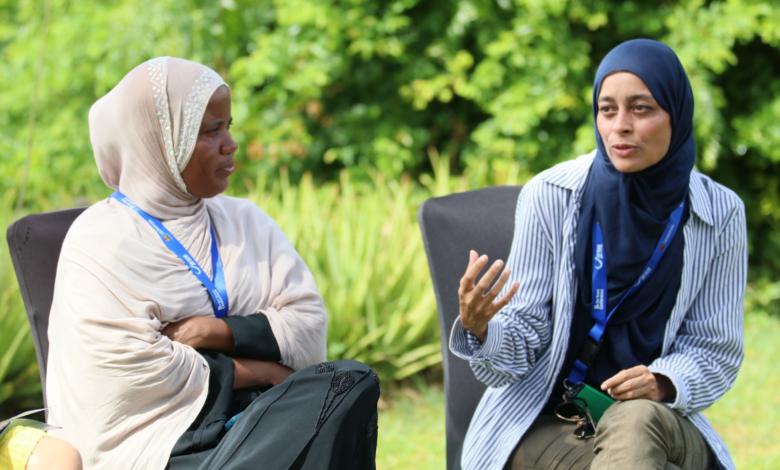
Their journeys came together during the 11th Our Ocean Conference in Kenya, where they participated in a panel titled “Listening Circle: Women’s Voices Are Key to the Future.”
The conference provided an opportunity for women working in marine conservation from different regions to share their experiences and challenges. For Hassan, attending the conference and meeting other women involved in ocean conservation was both inspiring and motivating.
“It makes me really happy,” she says. “It gives me motivation because it is not just us doing this work.”
Women are said to be of great value in conservation, given they influence resource use, improve compliance and bring forth values of care and empathy. To which the United Nations Educational, Scientific and Cultural Organization (UNESCO) emphasises that “To achieve a sustainable Ocean, gender equality in ocean science is vitally important”
For Rabia, however, her conservation gains remain vulnerable. Weeks before the 2026 Our Ocean Conference, reports emerged that trawlers had returned to areas where communities had previously pushed for restrictions, entailing more work. Five years after she first stepped onto that beach and commercial vessel, Rabia says the experience continues to shape her work.
This story was written thanks to the collaboration with www.communicationsinc.co.uk