11th Our Ocean Conference: Can the Mombasa Declaration Deliver Fisheries Transparency?
Credit : Environmental Justice Foundation
Jabi katy Chale
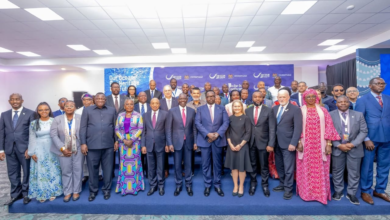
On June 17, 2026, sixteen countries, including Cameroon, from across Africa, Asia, the Caribbean, Europe, and the Pacific endorsed the Mombasa Declaration at the 11th Our Ocean Conference, committing to accelerate global fisheries transparency and strengthen efforts to combat illegal, unreported and unregulated (IUU) fishing.
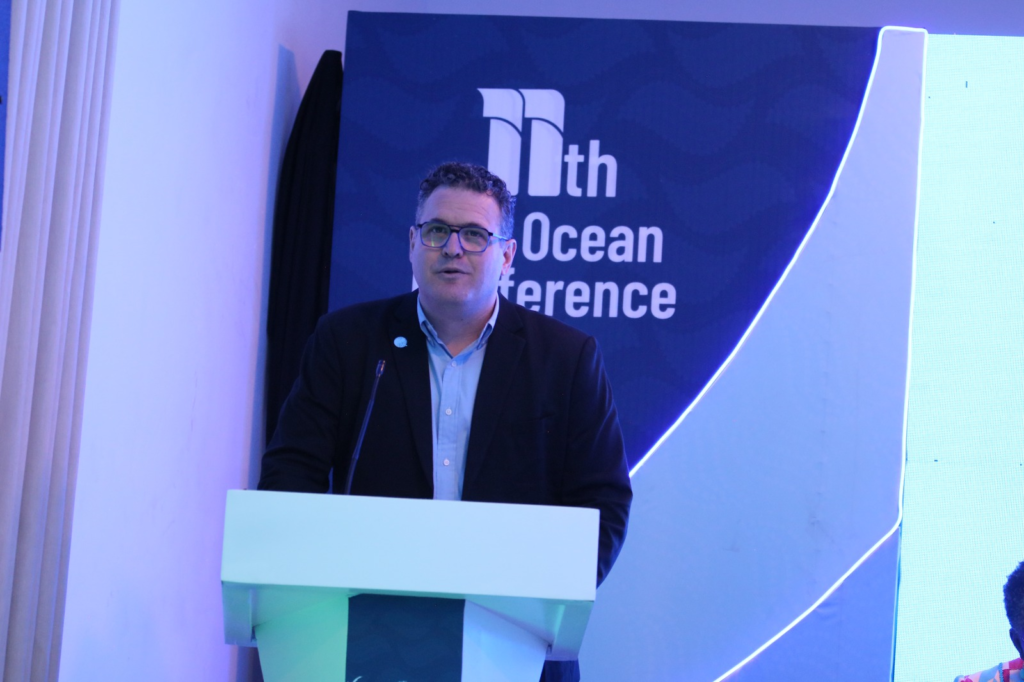
“The Mombasa Declaration responds to transparency challenges by advancing practical transparency measures outlined in the Global Charter for Fisheries Transparency. The Charter has ten transparency principles that serve as a framework for coalition members to improve transparency and accountability in fisheries across the globe. The fisheries sector lacks transparency. If we do not know who is fishing, what they are fishing, where, when and how, we will not be able to tackle illegal fishing and the associated crimes. We are not doing this for transparency’s sake; we are doing this to create better social and sustainability outcomes,” remarked Dr. Ryan Orgera, Director of the Coalition for Fisheries Transparency.
Belgium, Cameroon, The Gambia, Ghana, the Dominican Republic, Guinea, Liberia, France, Panama, Papua New Guinea, Peru, Somalia and South Korea endorsed the Mombasa Declaration, committing to strengthen ocean governance and advance fisheries transparency. Signatory countries pledged to improve access to information on vessel ownership, fishing licenses, quota allocations and fishing activities, while enhancing monitoring and enforcement systems.
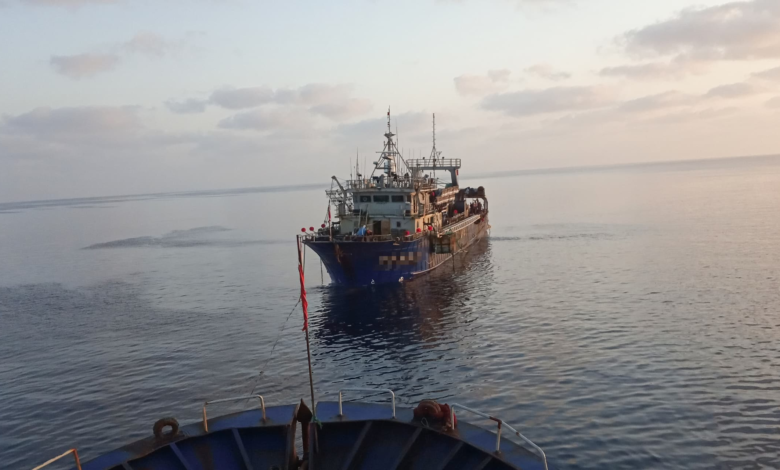
According to the Food and Agriculture Organization (FAO), the global fishing industry is worth more than $400 billion annually, yet it remains one of the least transparent sectors worldwide. Hidden vessel ownership, unregulated fleets, unreported catches, forced labour, human rights abuses, environmental violations and untraceable supply chains continue to enable IUU fishing, resulting in losses estimated at $10 to $23 billion annually.
Initiatives such as the Mombasa Declaration are therefore essential in bringing countries together to advance transparency. However, fisheries stakeholders like Dawda Foday Saine from The Gambia remain concerned about implementation.
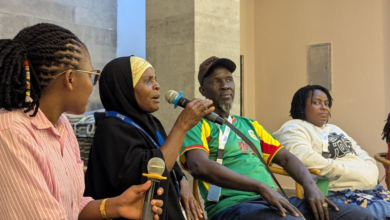
“We have signed several declarations, but they are still sitting on the table. It is easy to sign, but what are the strategies for each country to domesticate and implement this declaration? We have enough declarations. What we need now is to immediately and collectively strategize on how to implement this declaration at the country level,” he said.
Responding to concerns about implementation, Dr. Orgera emphasized that the Mombasa Declaration is intended to build the political will needed to unite countries already taking steps to address IUU fishing and create a global movement around transparency.
“We can’t even begin to manage or regulate what we don’t see, so it is incredibly important to create a starting point, and that starting point is political will. There are very easy ways to measure success. Are we changing national laws? Are we changing regulations? Are we stopping illegal fishing? Those sorts of things are being tracked and assessments are being conducted in partnership with countries through our partners. It is something we will continue to strengthen as a coalition with partners around the world,” Dr. Ryan Orgera said.
Countries such as Cameroon and Ghana argue that they have already undertaken reforms that align with the Mombasa Declaration and that endorsing it reinforces their growing engagement in international efforts to improve fisheries governance.
“By endorsing it, Cameroon is demonstrating its commitment not only through words but through action. Those actions are already visible. What we are doing is well aligned with the Mombasa Declaration in enhancing transparency and the fight against IUU fishing,” said Dr. Mimbang Guy Irene, First Technical Adviser at the Ministry of Livestock, Fisheries and Animal Industries.
In 2024, Cameroon adopted a fisheries and aquaculture law that made transparency a key objective of fisheries governance. Authorities now publish lists of vessels that have obtained fishing licenses and are authorized to operate in Cameroonian waters, among other measures.
Their Ghanaian counterparts say they have already incorporated some of the Charter’s principles, including Principles 2 and 3 on publishing fishing vessel licenses and beneficial ownership information, into their new Fisheries and Aquaculture Act. They also plan to begin the re-registration and licensing of canoes from June.
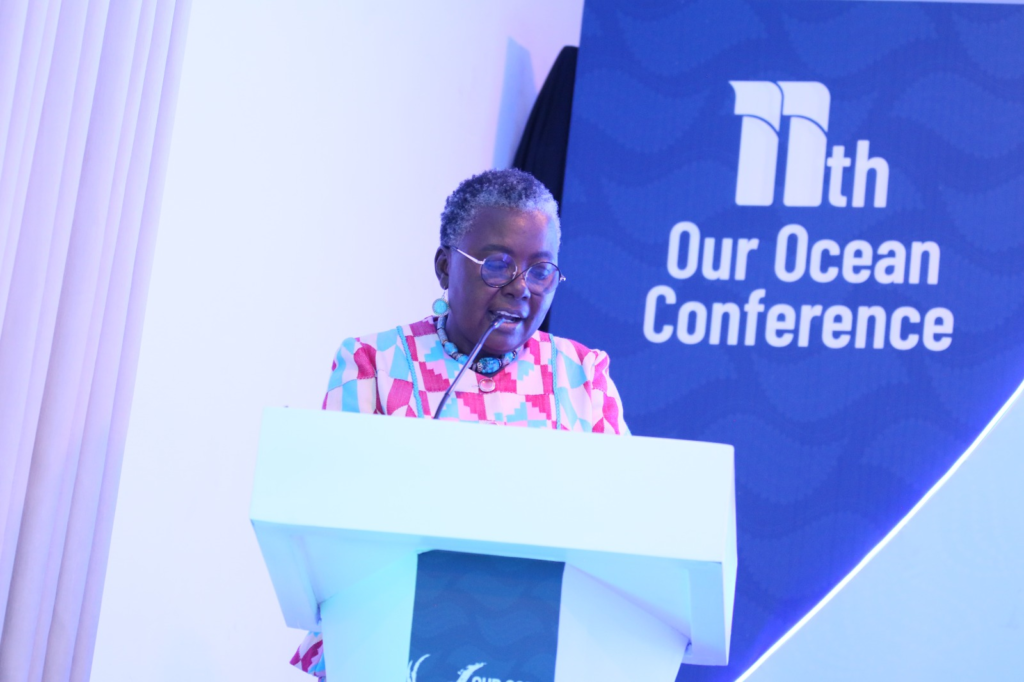
“Yes, we fully support the transparency principles, but it takes work and it takes time. In Ghana, we are one hundred percent committed to ensuring we fully adhere to all the principles. We welcome further collaboration. Countries present here that have not yet joined the transparency movement, please come on board because we are moving forward,” said Hon. Emelia Arthur, Minister of Fisheries and Aquaculture of Ghana.
Despite concerns over the implementation of previous fisheries agreements, some argue that new commitments such as the Mombasa Declaration can help sustain pressure for reform.
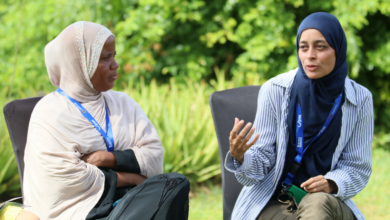
“I think together they can build momentum and apply pressure, and together we can move forward. We should not abandon other initiatives. Just because something isn’t fully working doesn’t mean we stop trying. The challenge is to understand why previous efforts have not worked, make them work, and still maintain the momentum and pressure created by new initiatives,” said Dr. Christina Chemtai Hicks, Professor at Lancaster University, United Kingdom.
Unsustainable fishing practices continue to harm marine ecosystems, reduce resilience to climate change, undermine coastal livelihoods and threaten food security. Globally, more than three billion people depend on healthy marine ecosystems for their livelihoods and well-being.
This story was realized thanks to collaboration with www.communicationsinc.co.uk