Limbe floods: Experts urge better planning and climate adaptation
By Synthia Lateu
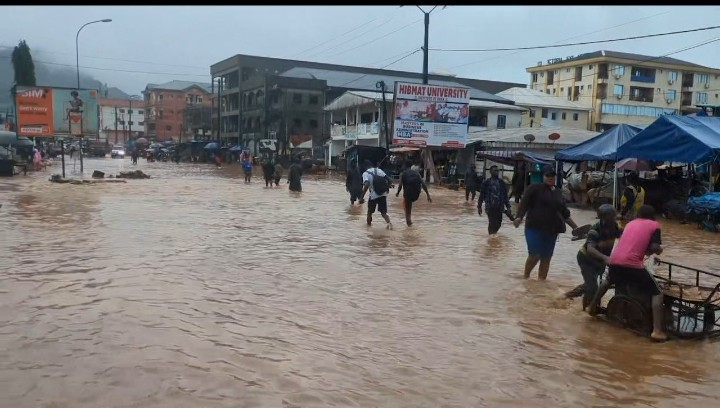
Deadly floods and landslides in Limbe and other parts of the South-West Region of Cameroon have exposed long-standing weaknesses in drainage, urban planning and disaster preparedness, environmental experts say.
The South-West is one of Cameroon’s wettest regions, with its geography making some areas particularly prone to rapid flooding.
“This is a region where rainfall is among the heaviest in Africa,” hydraulic engineer Paterson Necdem said. “The steep slopes, combined with a highly responsive watershed, result in a very rapid hydrological response.”
He added that water levels can rise sharply within minutes after intense rainfall.
Environmental expert Didier Yimkoua said the intensity of the rainfall and poor drainage worsened the recent flooding. “Water stagnated instead of flowing easily towards the sea, which was also receiving a large amount of water,” he explained.
He added that construction in high-risk areas, including mountainsides, has increased residents’ exposure to floods and landslides.
The experts point to blocked drainage systems, uncontrolled construction, population growth, and inadequate climate planning as factors contributing to recurring disasters.
They also warn that some infrastructure projects are still being designed using outdated rainfall and hydrological data. Necdem said rainfall patterns are changing, with some extreme rainfall events becoming more frequent.
“If hydraulic structures are designed using insufficient or inaccurate data, they can overflow, causing flooding, destroying homes and worsening soil erosion,” he said.
He called for updated climate and hydrological data, stronger weather monitoring systems and better integration of climate risks into infrastructure planning.
“This implies the need to update climate change data, strengthen hydrometeorological observation networks, produce up-to-date intensity-duration-frequency curves, and integrate them into development and infrastructure planning projects,” he said.
Yimkoua said adapting to climate change must also become a central part of disaster prevention.
“When we adapt, we become less vulnerable,” he said, arguing that reducing vulnerability should be prioritised alongside emergency response.
Three people have been reported dead in Limbe following the recent floods and landslides.
The experts say stronger prevention, better planning and improved early-warning systems will be needed to reduce the impact of future extreme rainfall events