Justice System: Cameroonians Lose Faith

By Synthia Lateu
For many Cameroonians, the courtroom is no longer the first option for resolving disputes. Instead, an increasing number are turning to amicable settlements, saying they have little confidence that the justice system will deliver timely and fair outcomes.
Residents interviewed in Douala say years of difficult experiences have left them questioning whether the courts can provide justice without excessive delays or unequal treatment.
“I know many people going through injustice. You take someone to court, but if they are privileged, they win. Someone can even owe you money, yet you are the one who ends up in prison because they used money to influence the case,” Leopold Talla said.
Another resident, who requested anonymity, recalled what he described as an encounter with security forces during the 2025 post electoral crisis.”Two military men arrested me and demanded money before returning my national identity card. They threatened to take me to the military base if I refused. I had done nothing wrong, yet they still wanted money. We are abandoned to ourselves,” he said.
For others, the cost and length of legal proceedings have made amicable settlements a more practical option.
“We go for friendly settlements. Court procedures are too long, and sometimes you spend more than the value of what you are trying to recover,” another resident in her thirties, said.
Legal experts say the growing reliance on out-of-court settlements reflects broader challenges facing Cameroon’s justice system.
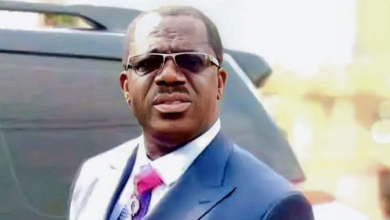
Barrister Franc Nofewe says many people abandon legal proceedings because they question whether the process will deliver justice
.”Justice actors in Cameroon are now rendering justice to serve particular interests rather than applying the law equally. Cameroon has many laws to regulate society, but the problem is that these laws are not respected,” he said.
According to Barrister Nofewe, corruption and impunity continue to undermine confidence in the justice system.”When actors within the justice system commit condemnable acts, what do those responsible for supervising them do? Nothing.
This normalises misconduct because no one is held accountable.
Cameroon has several institutions tasked with fighting corruption, but if impunity and corruption are not addressed, we will not have a just and equitable justice system,” he said.
Nofewe also argues that strengthening judicial independence through a more effective separation of powers is essential to restoring public confidence in the administration of justice.As discussions on justice reforms continue following the observance of International Justice Day, legal experts say tackling corruption, ending impunity and reinforcing judicial independence will be key to rebuilding trust in Cameroon’s justice system.