The anticipated visit of the Holy Father to Bamenda is being interpreted by some observers not merely as a pastoral journey, but as a moment with broader moral, diplomatic, and geopolitical implications.
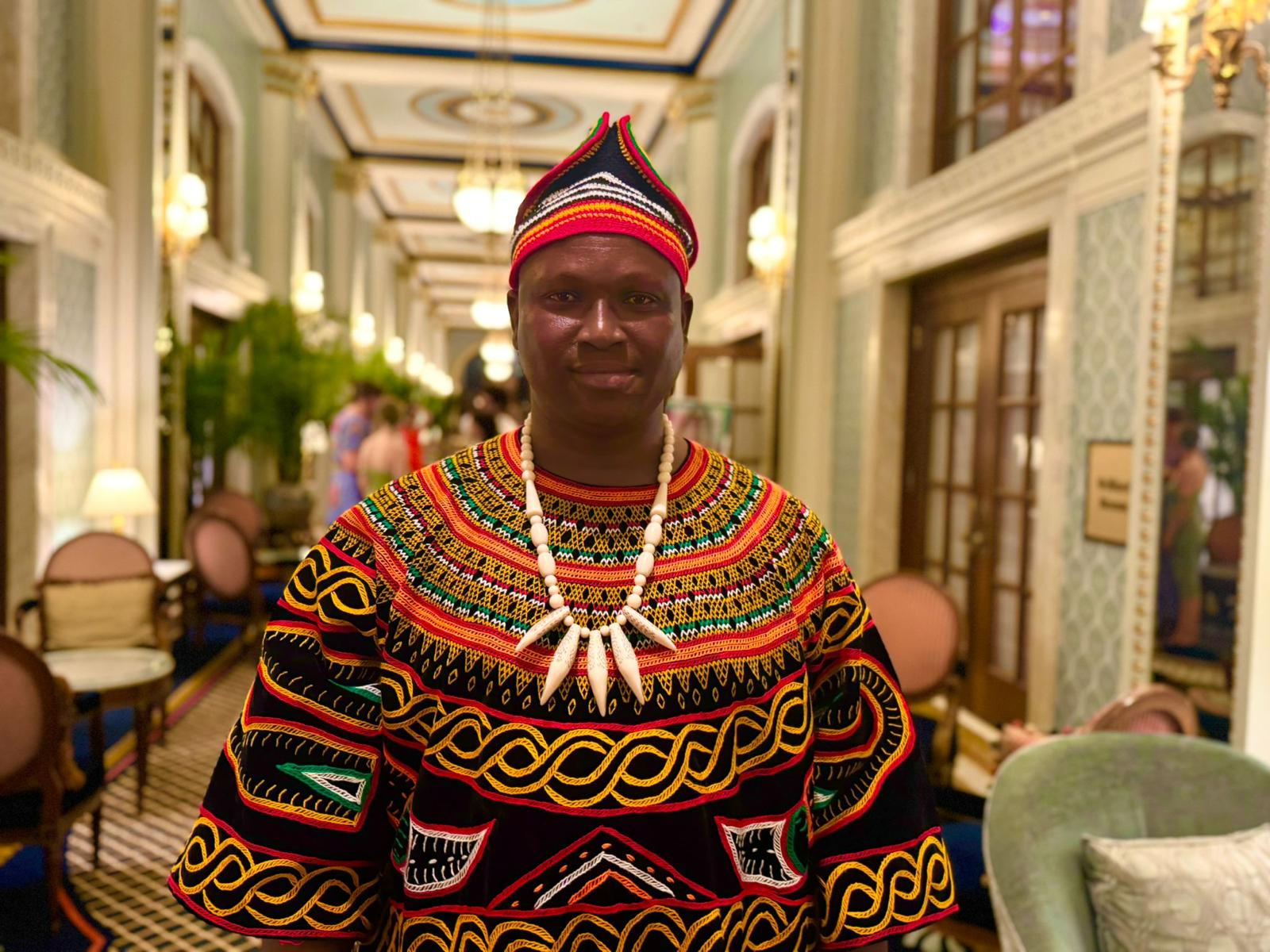
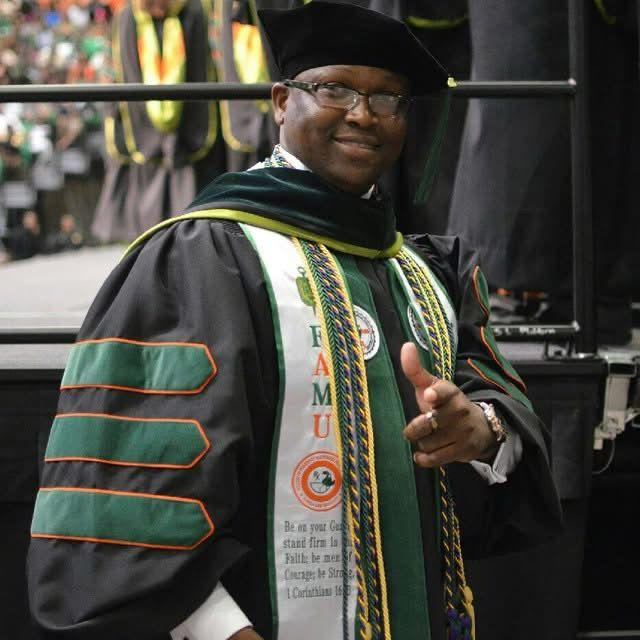
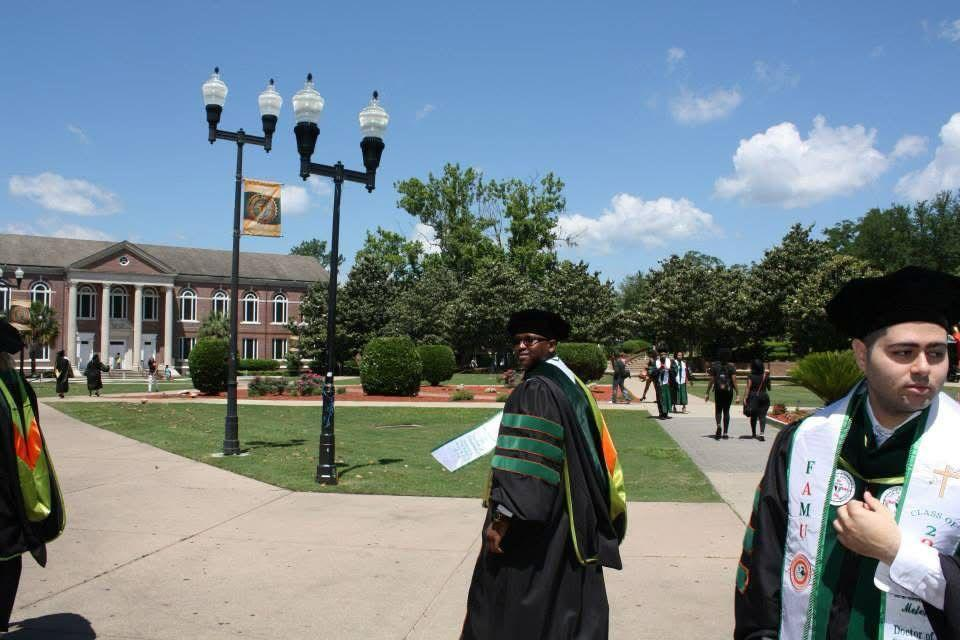
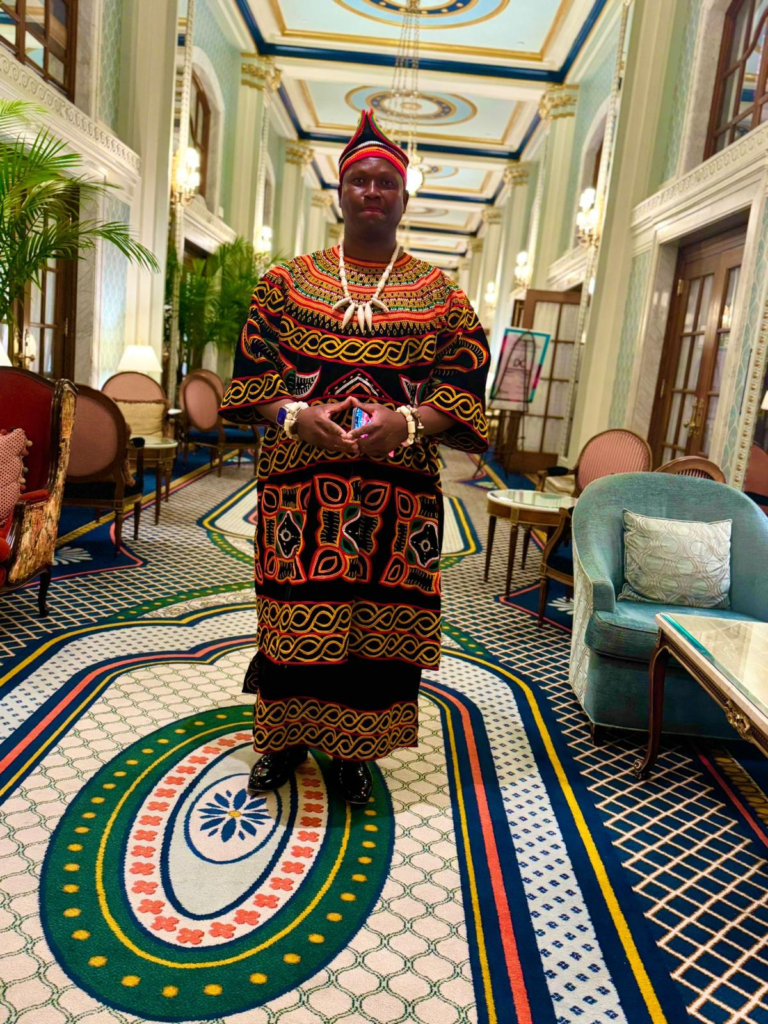
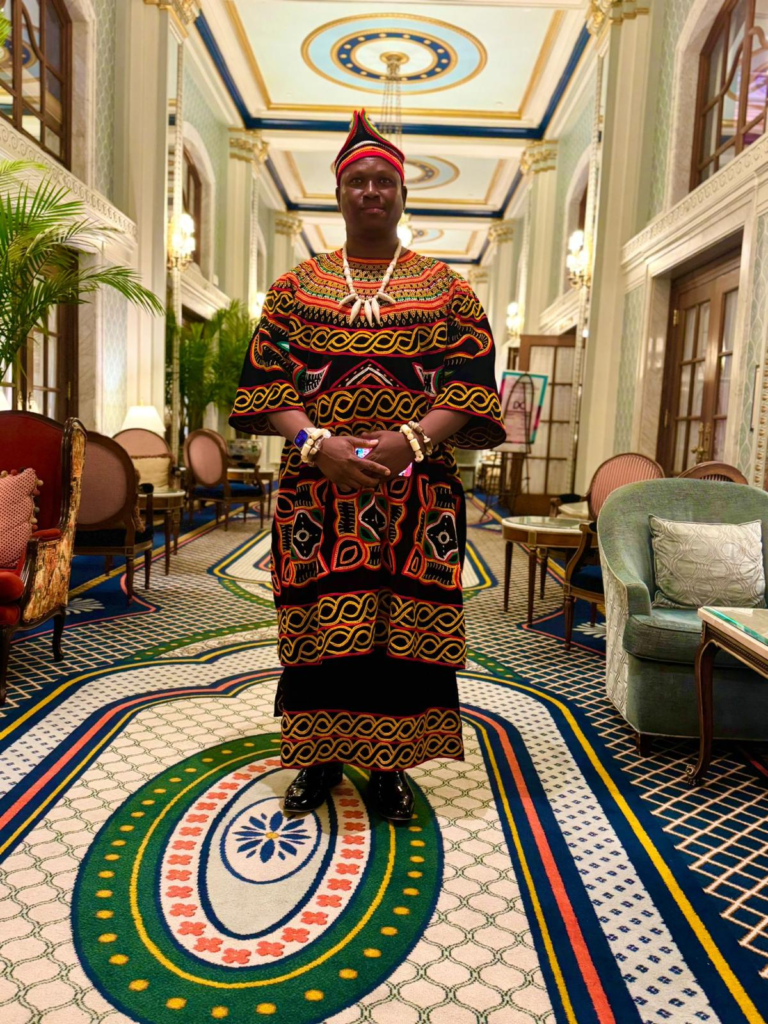
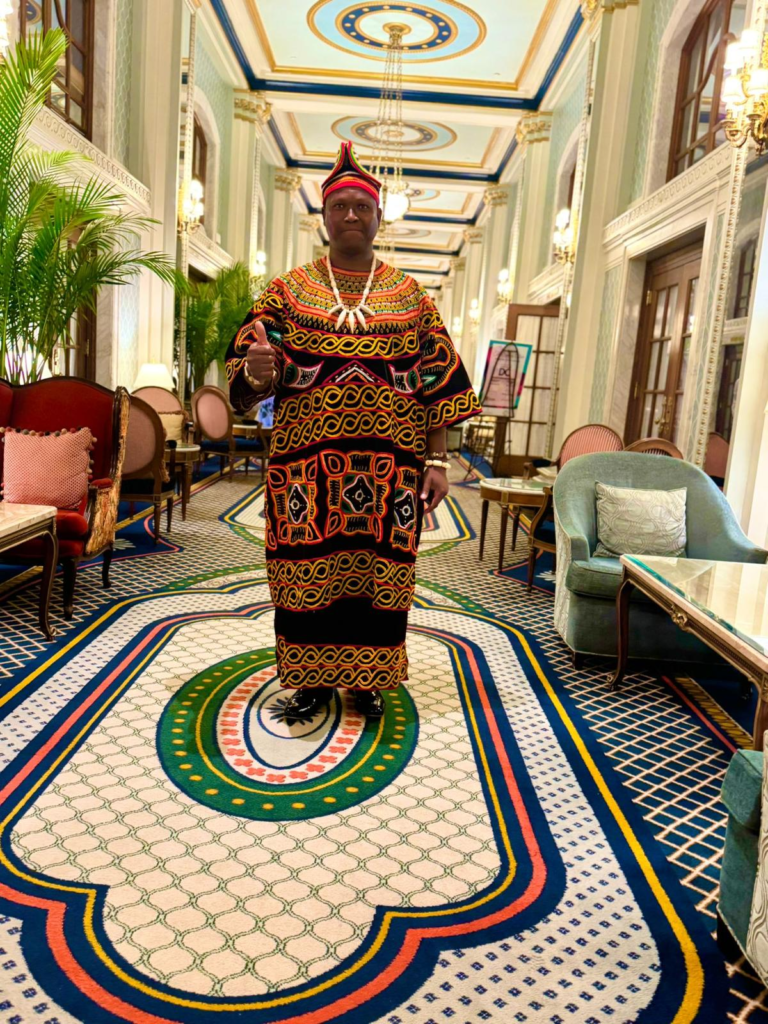
Among those reflecting on the significance of the visit is Dr. Emmanuel Nji Tita, a human rights advocate, pharmacist, entrepreneur, and licensed real estate broker based in the United States of America, who believes the presence of the Supreme pontiff has the potential to reshape global attention toward the realities affecting the region.
For Dr. Tita, papal visits must be understood within the wider historical and institutional influence of the Vatican as a global moral actor.
“When Rome speaks, the world listens,” Dr. Emmanuel Nji Tita said in remarks issued ahead of the visit. “The Pope represents one of the few voices in the international system whose influence does not derive from military power or economic leverage, but from moral authority.”
According to him, it is precisely this moral authority that often gives papal visits their unique significance.
“The papacy has historically played a role in moments when societies are searching for moral clarity,” he said. “When the Pope enters a place experiencing prolonged tension, the visit often shifts the global conversation surrounding that place.”
The Papacy as a Global Moral Institution
The papacy remains one of the oldest continuous institutions in the international system.
Tracing its lineage back nearly two millennia to Saint Peter, the Bishop of Rome occupies a position that is simultaneously religious, diplomatic, and symbolic.
Although the Vatican is geographically the smallest sovereign state in the world, the reach of the papacy extends across continents through a global Catholic community estimated at more than 1.3 billion followers.
The Holy See also maintains formal diplomatic relations with more than 180 countries, making it one of the most extensive diplomatic networks in the world.
Unlike conventional political actors, however, the influence of the papacy is primarily normative rather than coercive.
In the language of international relations, the Vatican operates largely through what scholars describe as soft power, exercising influence through moral persuasion, spiritual authority, and global credibility rather than traditional instruments of state power.
For Dr. Emmanuel Nji Tita, who is also the first great Grandson of the first Catechist of Bayelle Catholic church, Late Pa Simon Ndeso – this distinction explains why papal visits often resonate far beyond the boundaries of religion.
“The Pope’s influence operates at the level of conscience,” he said. “His words often reach communities and leaders in ways that conventional political discourse cannot.”
The Vatican in the International System
For centuries, the Holy See has played a unique role within the architecture of international diplomacy.
While it does not function as a traditional geopolitical power, the Vatican has often served as a mediator, moral arbitrator, and diplomatic interlocutor in situations where conventional political negotiations have stalled.
From quiet diplomatic engagement during the Cold War to contemporary involvement in peace processes across Latin America and Africa, the Vatican has developed a reputation for exercising what scholars sometimes call “moral diplomacy.”
This form of influence relies not on coercion but on credibility.
When the Pope visits a region experiencing tension, the act itself signals that the international moral community is paying attention.
For Dr. Emmanuel Nji Tita, this dynamic may be particularly relevant in the context of Bamenda.
“When the Pope chooses to travel to a particular place, it sends a signal to the international community that the human realities there deserve attention,” he said.
Historical Precedents of Papal Influence
History provides several notable examples where papal visits contributed to shifts in political or social dynamics within societies experiencing tension.
In 1979, Pope John Paul II returned to his native Poland during a period of strict communist rule. His visit drew millions of people into public gatherings and reinforced a sense of civic identity among ordinary citizens. Many historians later identified the visit as a catalytic moment that strengthened the emergence of the Solidarity movement, which ultimately played a central role in the peaceful dismantling of communist governance across Eastern Europe.
A similar dynamic unfolded in Chile in 1987, when Pope John Paul II visited during the closing years of military rule under Augusto Pinochet. The Pope’s public emphasis on human dignity and reconciliation contributed to a political atmosphere that encouraged civic mobilization and dialogue, eventually paving the way for democratic reforms.
More recently, Pope Francis traveled to the Central African Republic in 2015 at a time when the country was experiencing severe sectarian violence. Despite significant security risks, the Pope insisted on visiting Bangui and called for reconciliation between Christian and Muslim communities. The symbolic opening of a Holy Door of Mercy during that visit reinforced efforts toward national reconciliation.
Likewise, Pope Francis visited Colombia in 2017, following the signing of a peace agreement that ended more than five decades of armed conflict. His presence served to encourage communities affected by the war to continue the difficult process of reconciliation.
In one of the most striking demonstrations of papal moral authority in recent years, Pope Francis in 2019 knelt and kissed the feet of rival South Sudanese leaders during a private retreat at the Vatican, urging them to uphold a fragile peace agreement and spare their people further suffering. The gesture, unprecedented in modern diplomacy, was not an act of protocol but a deliberate expression of humility and moral appeal. It captured the essence of the papacy’s approach to conflict: not coercion, but conscience. This moment sits alongside a long history of papal interventions, where symbolic acts, pastoral visits, and quiet diplomacy have helped shift political atmospheres, encourage dialogue, and remind leaders of their responsibility toward peace, justice, and human dignity.
For Dr. Emmanuel Nji Tita, these historical precedents illustrate the broader pattern of papal engagement.
“The Pope does not negotiate treaties or deploy armies,” he said. “But his presence often alters the moral atmosphere surrounding a conflict.”
Narrative, Attention, and International Perception
Dr. Emmanuel Nji Tita believes the upcoming visit to Bamenda could similarly influence how the international community perceives the region.
Papal visits typically attract intense global media coverage, bringing with them diplomatic observers, humanitarian organizations, and international policy attention.
“When the Holy Father travels to a city, the international media ecosystem follows,” Dr. Tita said. “That attention often reshapes the narrative through which the world understands the realities on the ground.”
For regions that have long been defined internationally through the lens of instability, such attention can create an opportunity to highlight a broader social and human reality.
“A papal visit reminds the world that behind every conflict are communities of faith, culture, and resilience,” Dr. Tita said.
Peace and Justice as Inseparable Principles
For Dr. Emmanuel Nji Tita, the deeper philosophical significance of the visit lies in a principle long emphasized within Catholic social teaching: the inseparability of peace and justice.
“Peace cannot exist where justice is absent,” he said. “And justice cannot flourish where peace has collapsed.”
In his view, the message carried by the Holy Father may serve as a reminder that lasting stability requires both.
“The aspiration of the people of Bamenda is not simply the absence of conflict,” Dr. Tita said. “It is the presence of peace grounded in justice and dignity.”
A Moment of Global Visibility
As preparations continue for the Holy Father’s arrival, observers across the region and within the diaspora are watching closely.
For Dr. Emmanuel Nji Tita, the visit represents a rare moment in which a global moral voice will focus attention on Bamenda.
“When the Pope arrives, the world will be watching,” he said.
“And when the world watches, conversations that once seemed impossible sometimes begin to take shape.”
At such a moment, he says, the priority must be to allow the visit to unfold without disruption.
Dr. Emmanuel Nji Tita has issued a clear appeal against any form of lockdown or actions that could hinder movement or create tension during the visit.
“This is not a moment for Lockdown,” he said. “It is a moment that must be approached with calm and responsibility.”
He stressed that the purpose is not to project an image of normalcy, but to ensure that the visit is not overshadowed by unnecessary disturbances.
“The pain of the people is real and cannot be hidden,” Dr. Tita said. “But this is a moment where restraint matters.”
“The Holy Father must be received in a climate of respect and calm,” he said. “Nothing should take away from the weight of this moment.”
For Dr. Emmanuel Nji Tita, the message is direct.
“No lockdown. No unnecessary disruption. Let the moment speak for itself.s”