Our Ocean Conference Makes Historic African Debut: What Next?
By Jabi Katy in Kenya
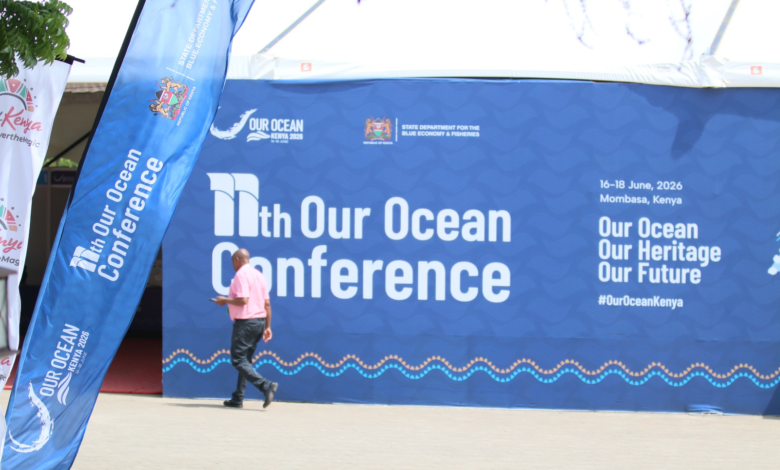
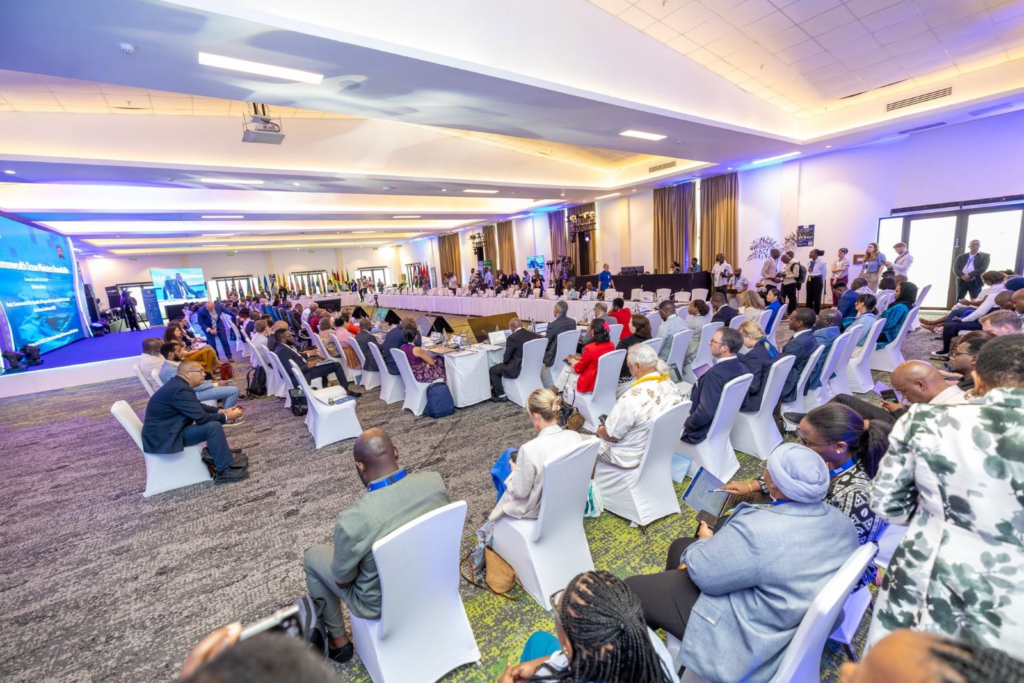
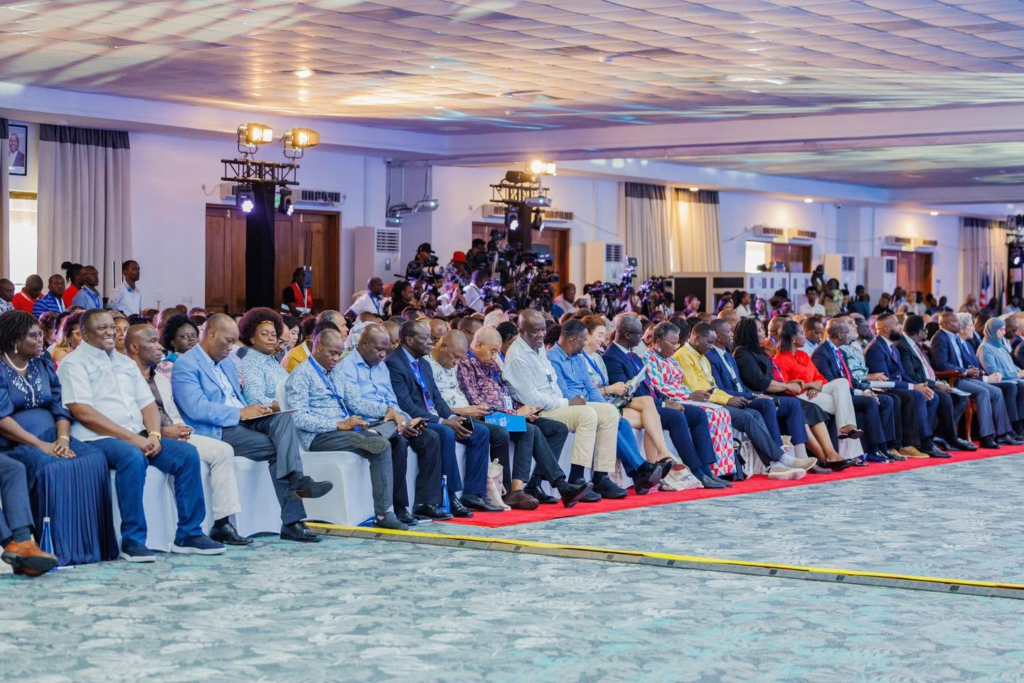
For the first time in its 12-year history, the Our Ocean Conference has arrived on African shores. Delegates from around the world have gathered in Mombasa, Kenya, against the backdrop of the Indian Ocean, to discuss the future of the seas that sustain billions of people.
The three-day conference, running from June 16 to 18, 2026, under the theme “Our Ocean, Our Heritage,” was officially opened by Kenya’s Deputy President, Prof. Kithure Kindiki. During the opening ceremony, he reflected on Kenya’s longstanding engagement in global ocean governance discussions, which ultimately led to the country hosting the event. He also delivered a message from President William Ruto.
“We are opening the door to blue finance, science and innovation, so that conservation creates opportunities. The ocean cannot be protected on promises alone. Africa cannot be asked to shoulder the greatest burden of protecting what sustains the entire world,” President Ruto stated.
Since its launch in 2014, the Our Ocean Conference has become one of the world’s leading platforms for ocean action and accountability. Through the process, more than 2,900 commitments valued at over US$169 billion have been announced, spanning marine conservation, sustainable fisheries, climate adaptation, maritime security, and pollution reduction.
With 38 coastal and island states and some of the world’s fastest-growing coastal populations, Africa is increasingly emerging as a strategic center for sustainable blue economy innovation, while simultaneously facing persistent marine sustainability challenges.
For many delegates, hosting the 11th Our Ocean Conference on African soil symbolizes the continent’s growing conservation leadership and presents an opportunity to bring Africa’s unique ocean challenges to the forefront of global discussions.
“It signifies that Africa is no longer viewed as a recipient of ocean solutions, but as a leader in shaping them. My hope is that years from now, we will look back at this conference as a moment when ocean governance moved beyond consultations to genuine joint management, where communities are trusted and empowered to restore their oceans,” said Jerry Mang’ena, Executive Director of Action for Ocean.
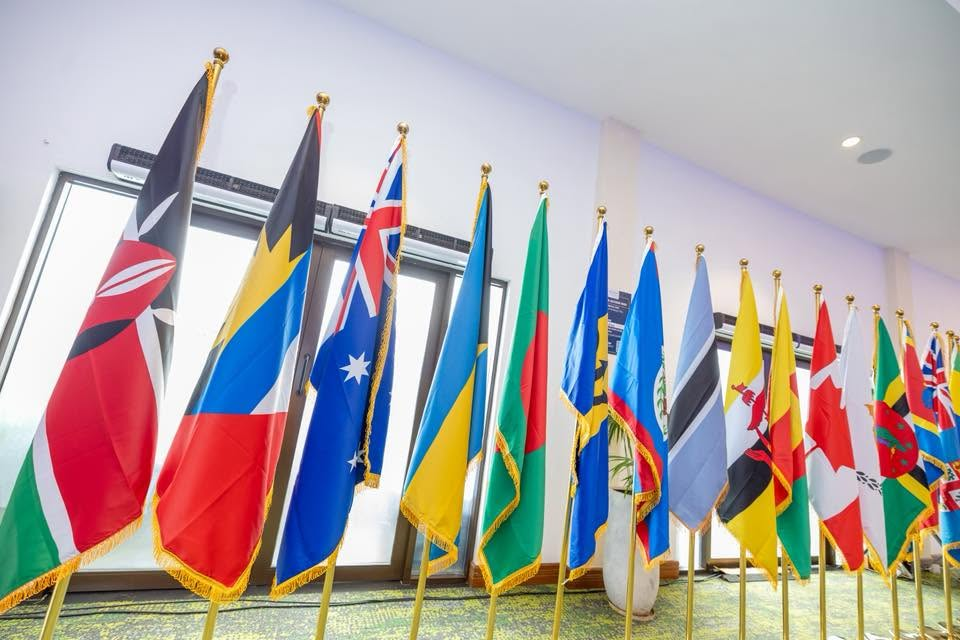
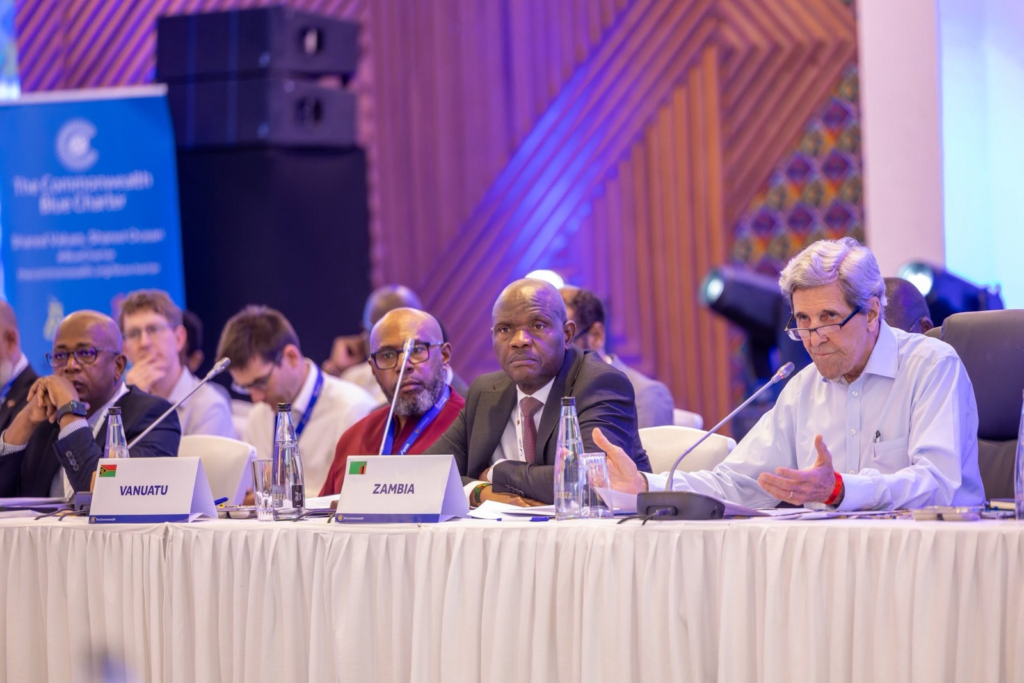
“At previous Ocean Conferences, discussions were largely centered on small island states and the Asia-Pacific region. Now that we have it in Africa, it is our time to make our voices heard and ensure our leaders understand the realities facing our oceans. It is long overdue,” remarked Shelika Oluwafunmitola, President of the African Women Fish Processors and Traders Network, Nigerian Chapter.
As discussions unfold, many are asking whether Africa’s first hosting of the Our Ocean Conference will be remembered merely as a diplomatic milestone or as the moment the continent began to play a more influential role in shaping global ocean governance.
Echoing President Ruto’s message, many delegates stressed the need for blue finance, stronger implementation of commitments, accountability mechanisms, and greater community leadership in ocean conservation.
“Delegates should prioritise speaking with one voice on issues that affect all of us. This is not the time to be individualistic. It is time for Africa to speak in unison and take a leading role in conversations about our oceans,” Oluwafunmitola added.
Mang’ena also emphasized the importance of accountability.
“We need to track whether commitments made at previous conferences have been delivered and ensure that new commitments create tangible outcomes for both people and ecosystems,” she said.
The implications of the 11th Our Ocean Conference in Mombasa extend beyond environmental policy. The event has also generated economic activity for local businesses and residents.
One local driver noted, “It has made the place busier. This area was not usually this active, but now everybody is getting something from it,” he said.
As discussions continue, many hope the conference will leave a legacy that goes beyond declarations and commitments.
This story was realized thanks to collaboration with www.communicationsinc.co.uk.