By Hans Ngala
After years of tension, displacement, and uncertainty linked to the Anglophone crisis in Cameroon’s North West and South West regions, the village of Ashong is finding healing in an unexpected but powerful force — sport.
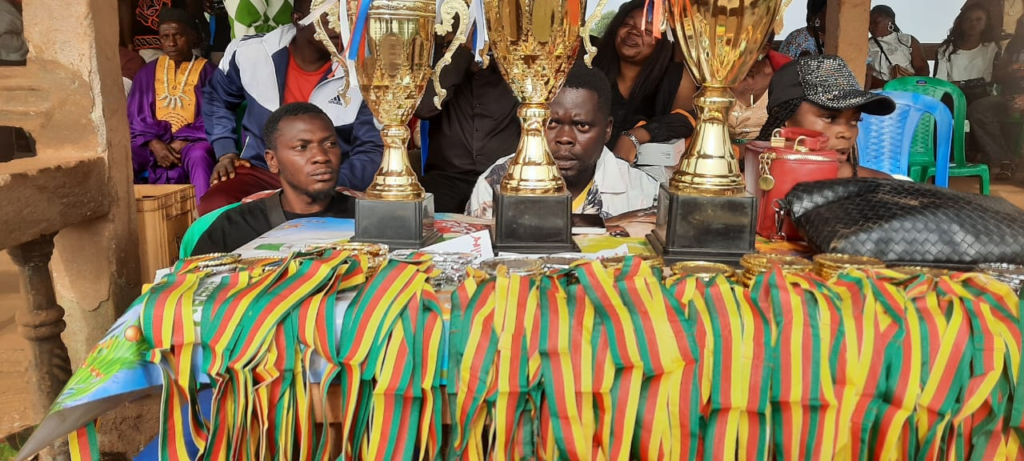
From February 13 to 21, 2026, the third edition of the Ashong Youth Convention Tournament transformed the community into a vibrant space of unity, laughter, and renewed trust. Organized by the Ashong Cultural and Development Association (ASCDA), the event brought together 11 football teams and 8 handball teams, with a total prize pool of FCFA 500,000.
Yet beyond the trophies and financial rewards, the tournament served a deeper purpose: restoring social bonds fractured by years of conflict.
From Fear to Fellowship
Not long ago, public gatherings in Ashong were marked by anxiety. Many young people had fled the village during the height of the crisis, and community events became rare.
This year’s tournament told a different story.
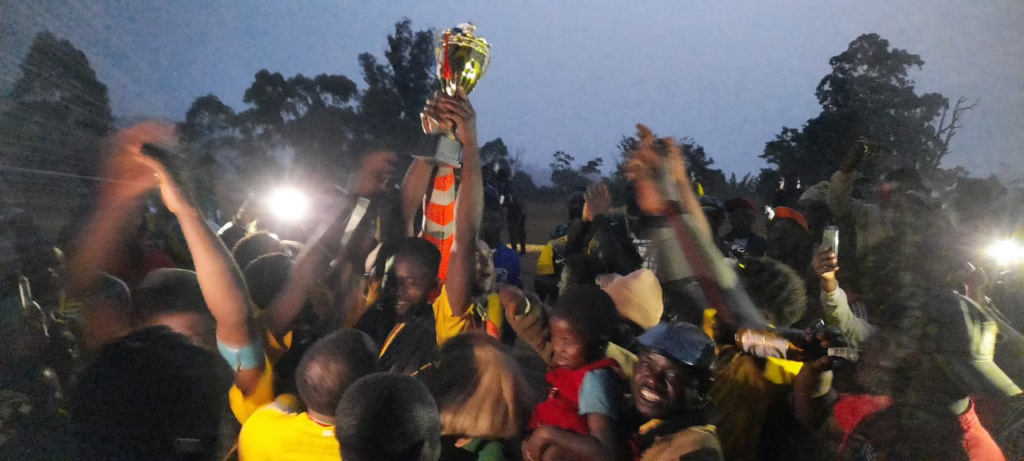
Families gathered freely around the field. Soldiers and civilians interacted without tension. Vendors sold food and drinks to enthusiastic crowds. The football pitch, once quiet, became a meeting ground where differences faded behind shared cheers.
Security forces were present — but not as symbols of fear. Their participation and visibility signaled reassurance and a gradual return to normalcy. For many residents, the sight of uniformed officers enjoying matches alongside civilians reflected a powerful shift: coexistence replacing suspicion.
Healing Through Competition
Competition on the field carried emotional weight beyond sport.
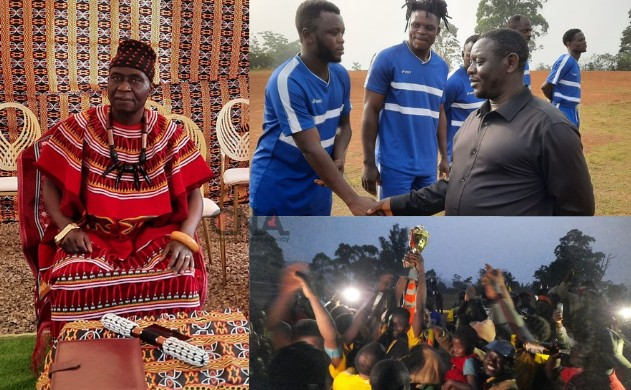
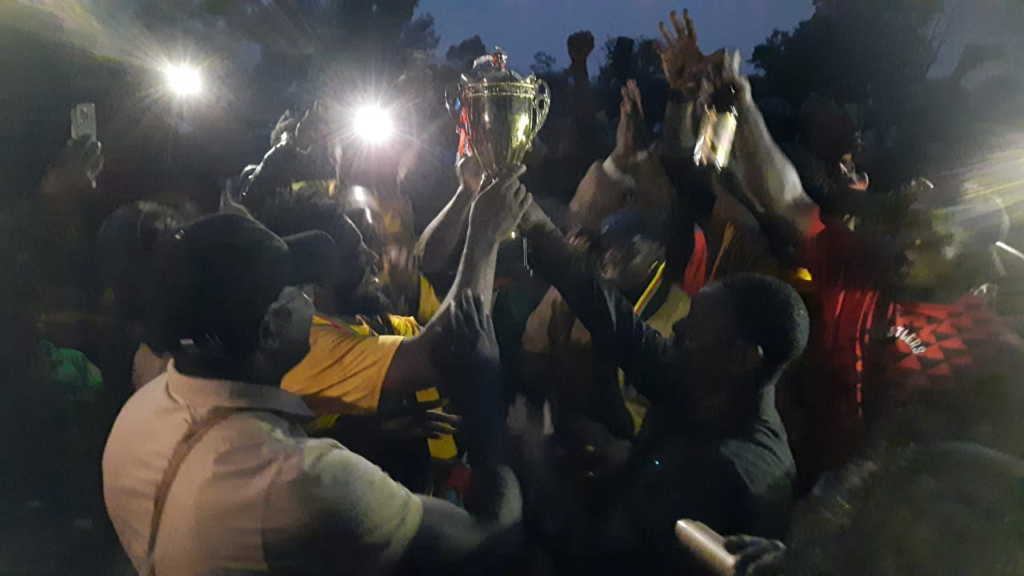
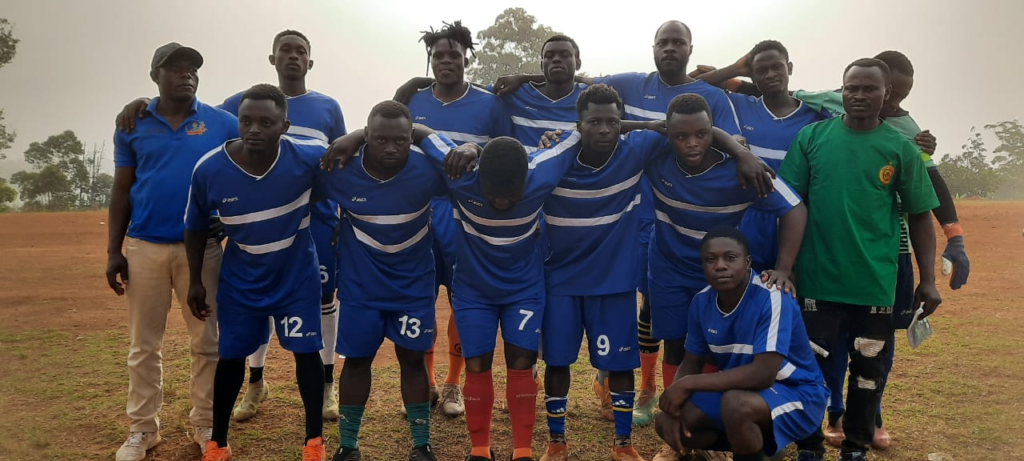
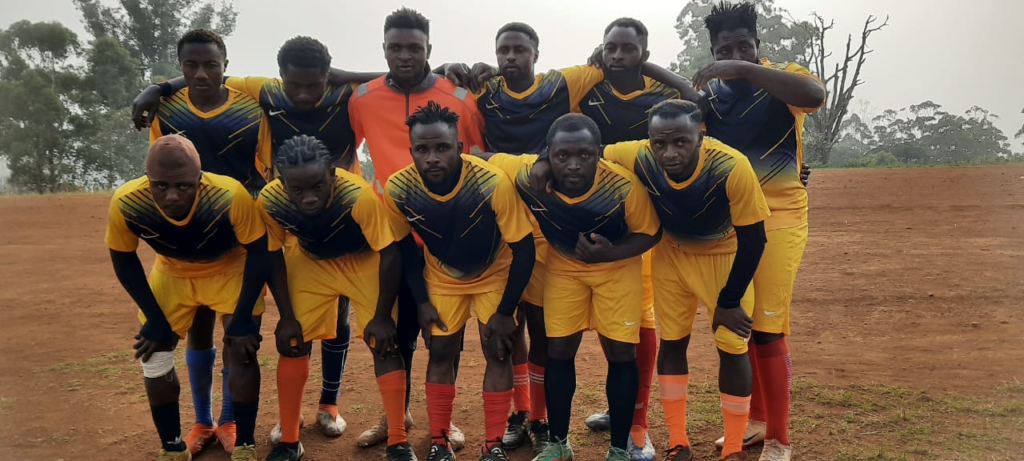
Home Base emerged champions in the men’s football category, defeating Ngonibi FC in a final that symbolized resilience after last year’s defeat on the same ground. In handball, Mile 27 Etoko Mamfe girls lifted their trophy after an energetic display of teamwork and determination.
For Tifo Valerie, captain of the Home Base football team, the victory represented more than athletic success. It was proof that youth in Ashong are regaining confidence and reclaiming their space. She noted that seeing the military present peacefully during the finals reinforced the feeling that stability is gradually returning.
In a region where young people have often been caught between opposing forces, the tournament offered something different: a safe platform to compete, connect, and rebuild friendships.
Youth Leading the Recovery
National Youth President Bar. Martin Acha described the tournament as more than an annual celebration — he framed it as a deliberate strategy for peacebuilding.
According to him, rebuilding Ashong requires restoring trust among its people. By engaging youth in organized sport, the community is channeling energy away from division and toward collaboration.
He emphasized that as elders age, responsibility for development must increasingly rest on younger generations. Sport, he said, is helping to groom that leadership — teaching discipline, teamwork, and collective responsibility.
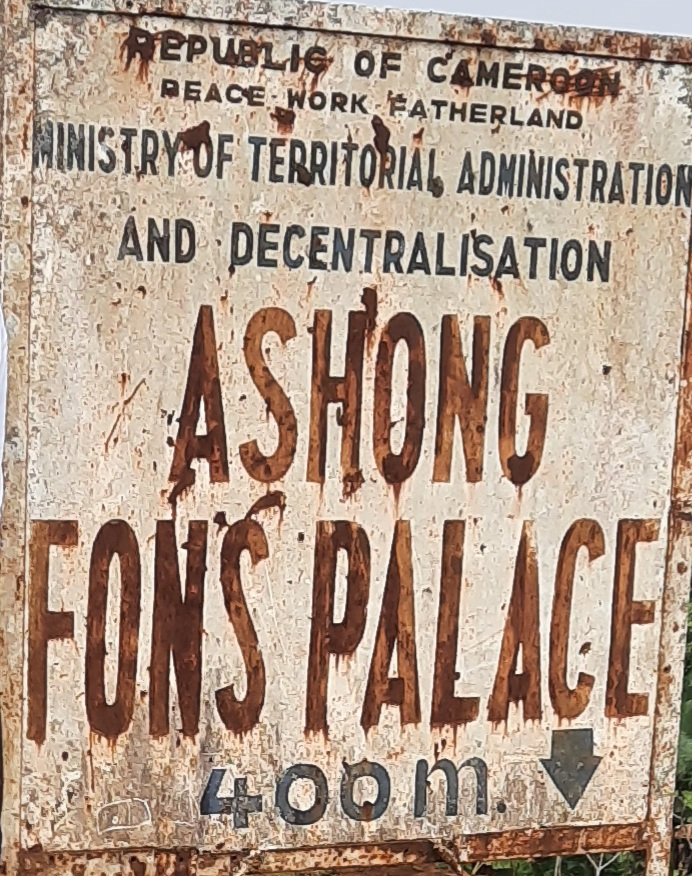
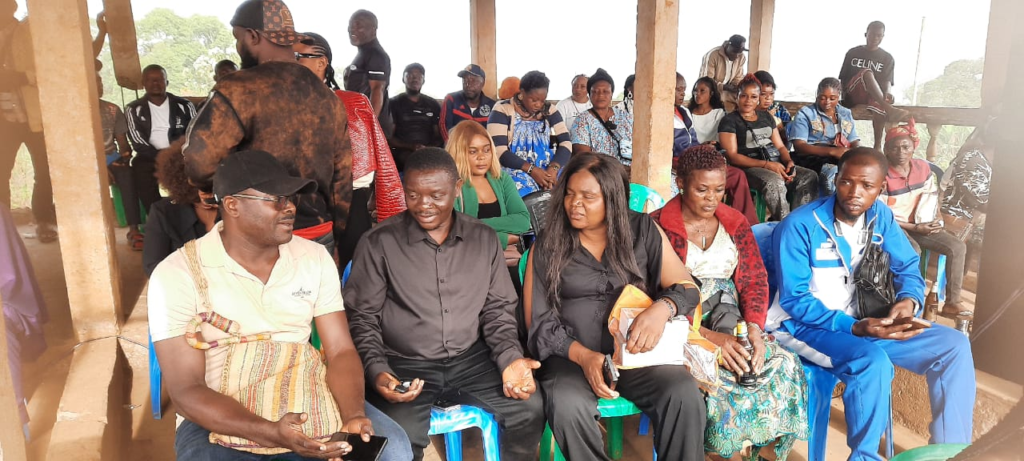
Visible improvements in the village, including newly installed streetlights and better organization during public events, reflect a growing sense of order and shared purpose.
Economic and Social Revival
The tournament also stimulated local economic activity.
Football champions received FCFA 200,000, runners-up FCFA 100,000. Handball winners earned FCFA 150,000, while second place received FCFA 50,000. A community marathon further broadened participation, awarding cash prizes to male and female winners alike.
Beyond prize money, the steady influx of spectators boosted small-scale businesses. Food vendors, transport operators, and petty traders all benefited from the week-long festivities.
In this way, sport did not only heal social divisions — it contributed to economic revival as well.
A Gradual but Meaningful Shift
Organizers acknowledge that healing remains a process. Some youths remain hesitant to fully engage, likely due to lingering fears from the crisis years.
Still, the atmosphere during the tournament offered tangible proof of progress.
Over eight days, Ashong witnessed something profound: young people laughing together, civilians sharing space with security forces, and a community rediscovering its rhythm.
The cheers from the football field carried a message far beyond the final whistle — that peace is not built only through political dialogue, but also through everyday acts of unity.
In Ashong, sport is becoming more than recreation. It is a bridge — connecting divided communities, restoring confidence, and proving that even after years of conflict, healing is possible.
Ashong is not just hosting tournaments. It is rebuilding trust — one match at a time.