11th February: Evolution From Plebiscite Day to Youth Day
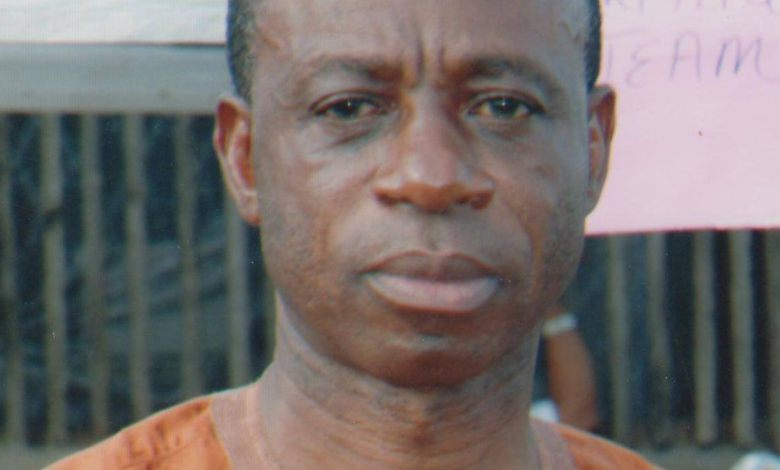
By Prof. Victor Julius Ngoh*
Most Cameroonians have not been able to grasp the evolution of the celebration of 11th February as “Plebiscite Day” to “Youth Day”. In this mix-up, some Cameroonians have attributed the change to the Machiavellian manipulation of the Ahidjo regime; this is very far from the truth. The change has also impacted on the political evolution of the country.
On 11th February 1961, eligible voters in British Southern Cameroons overwhelmingly voted to achieve independence by joining French Cameroon as opposed to independence in association with the Federal Republic of Nigeria.
In commemoration of this historic day, 11th February was celebrated as Plebiscite Day and a “National Day” in West Cameroon as from 1962. Before 1961, the people of British Southern Cameroons celebrated two prominent “national” days: Empire Day which was observed by all British colonies and Britain herself on 4 May in honour of the birthday of Queen Victoria (24th May 1819) .
She died in 1901 and her birthday was celebrated in the British Empire as from 1902. After World War One, German Cameroon was provisionally partitioned into British Cameroons and French Cameroon; first to be administered as mandated territories of the League of Nations; and later as trust territories of the UN. On 26 October 1954, Southern Cameroons officially had its Southern Cameroons House of Assembly. The date, 26 October, was celebrated as a “National Day”. The population of Southern Cameroons, therefore had two dates in a year to celebrate: 24th May as Empire Day and 26 October as “National Day”. In 1958, Empire Day was changed to Commonwealth Day following the decolonization process which saw several British colonies becoming independent countries/ states. With the success of the votes on 11th February I961 and the territory’s independence on 1st October 1961 by joining the Republic of Cameroon, the West Cameroon government as from 1962, celebrated the following “holidays”: 24th May as Commonwealth Day which was eventually moved to March; 11th February as Plebiscite Day; 1st October as Independence Day and 26th October as “National Day”.
There is no doubt that the number of “national” days celebrated in West Cameroon was ridiculous. In 1963, the KNDP government made it known that as from 1964, the “national” day of 26 October would be celebrated on 11 February and that Plebiscite Day shall be called “Youth Day”. The goal was to impact on the Youths their importance in the future of their country. An Executive Council meeting in Buea in December 1963 outlined the activities on that day: singing of the national anthem, reading of the PM’s speech, traditional dances, athletic competitions, award of prizes. This was essentially for pupils and college students. The celebration was slated to run from 8:00am to 6:00pm.
For the maiden celebration on 11th February 1964, Prime Minister Foncha of West Cameroon who was also the Vice President of the Federal Republic of Cameroon, invited about 200 dignitaries from East Cameroon including President Ahmadou Ahidjo, King Manga Bell of Douala, the mayors of Douala, Nkongsamba, Yaounde and Kribi.
The 1964 celebrations took place in two centers: Buea on 11th February and Bamenda on 12th February. Foncha attended both events in Buea and Bamenda. There was a canoe race in Victoria. The events and the theme of unity were so successful that its success again in 1965 very much impressed President Ahidjo’s government and Ahidjo decided that the celebration of 11th February as Youth Day given its success and popularity as demonstrated in West Cameroon – should be celebrated throughout the national territory. The first national Youth Day in both West and East Cameroon, took place on 11th February 1966. It was clearly not Ahidjo who transformed the Plebiscite Day to Youth Day. Ahidjo rather copied the good example from West Cameroon and made it a national day and a national event.
About the author: Professor Victor Julius Ngoh is a renowned Cameroonian scholar, historian, researcher, author and political commentator who has written extensively on Cameroonian history. He teaches at the University of Buea and also at private tertiary institutions in Yaounde. His book “Cameroon History Since 1800” is widely read and studied in schools across the country.