By Tumi Kelly Sandra Berinyuy
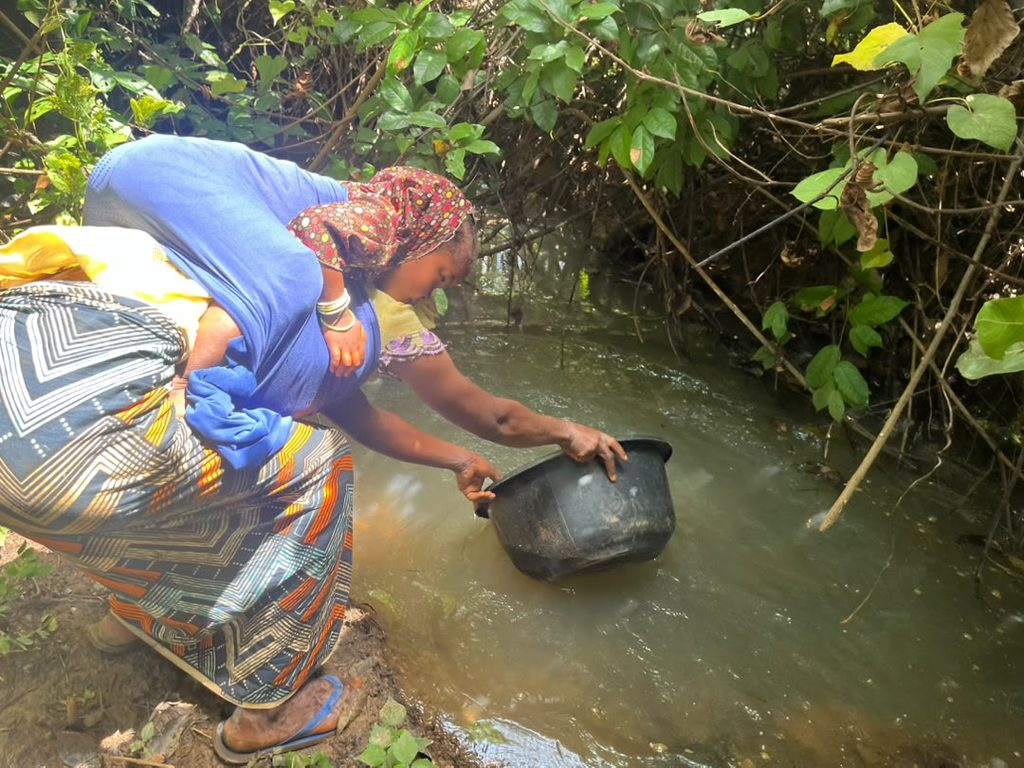
In Mayo Fowrou, the day begins before sunrise. Fadimatou Dudu, a 34-year-old mother of four, walks quickly along the dusty paths, carrying her buckets. She wants to reach the water source before the village gets busy and, crucially, before the cattle arrive.
She knows the water is dangerously dirty. At the source, she fills her containers, hoping that allowing the water to stand will make it safer for her children. When they become ill, she takes them to the hospital. She says the diagnosis is often the same: the water they have been drinking.

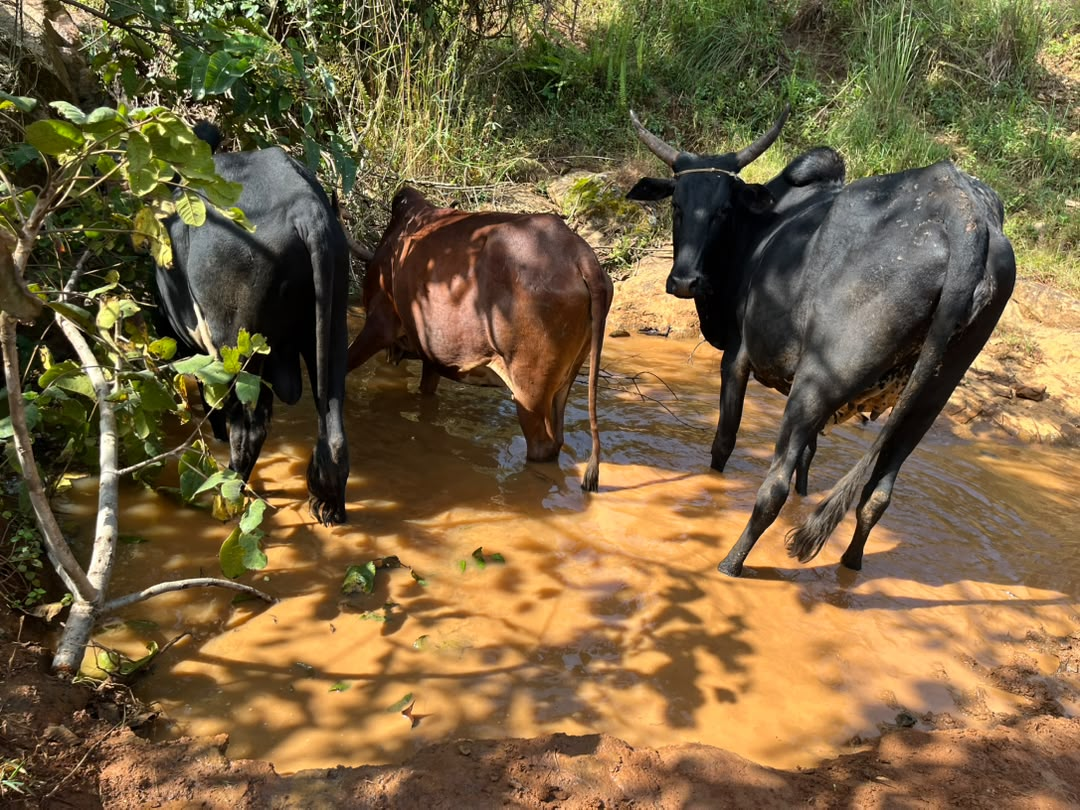
Fadimatou is not alone. Across Mayo-Banyo, in Cameroon’s Adamawa Region, people and livestock use the same open, unprotected water sources. Residents say cattle entering these sources leave behind waste, raising concerns about the safety of water used by nearby households. Yet the extent and nature of any contamination in these sources remain unclear: the water has not been tested, according to the residents interviewed for this story.
The problem is not unique to Mayo Banyo. A 2017 study conducted in rural communities in Cameroon’s Far North Region found that more than 8 in 10 water samples tested showed signs of contamination from animal waste. The researchers also found evidence of bacteria such as Salmonella and E. coli, which can cause serious illnesses, particularly in children.
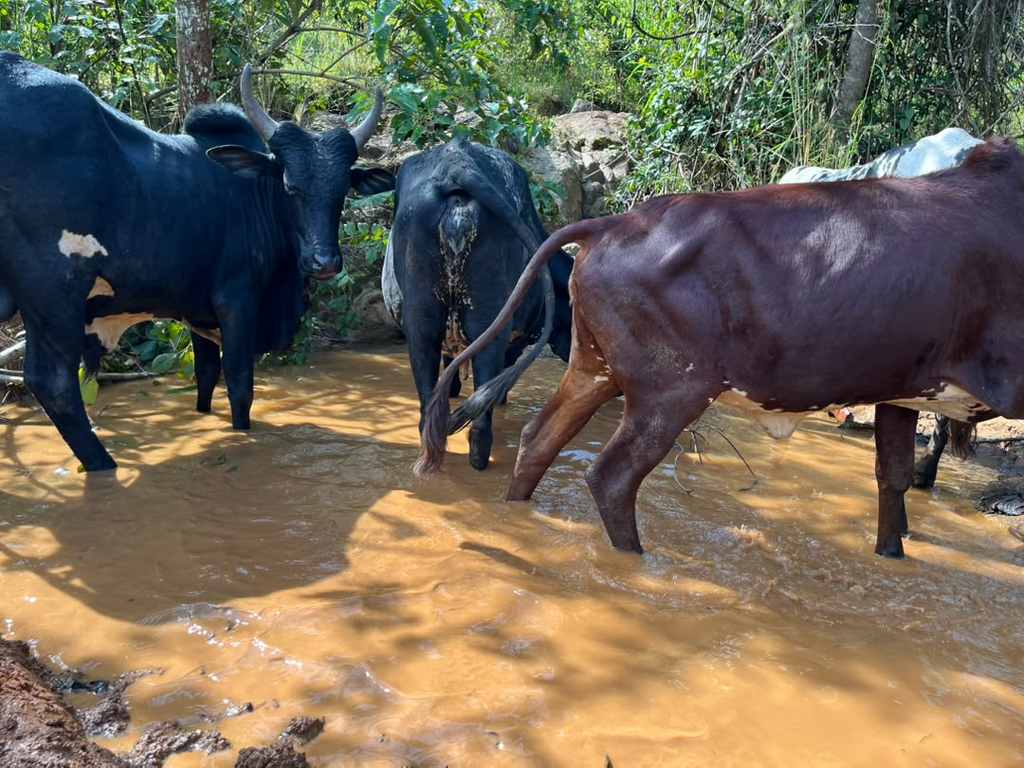
Walking 3 Kilometers for Contaminated Water
For Mallam Umarou Adamou, 64, and his wife, Dudu Tou 55, the crisis is a daily exhausting reality. They have lived in Bah Gouroudja for 35 years and are raising six children. The nearest source of clean water is about three kilometers away.
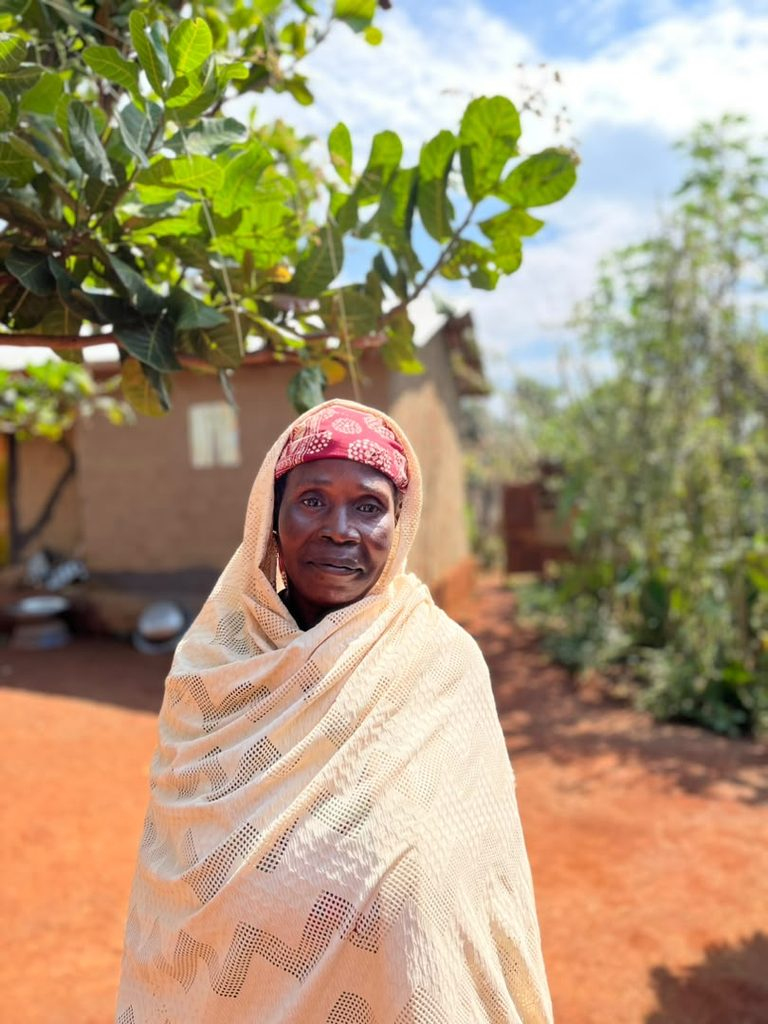
Even when they make the long journey, they say the water they find is not clean. With few alternatives, they share the available source with cattle roaming the area.
“My children fall sick all the time,” Mallam Umarou says. “If we don’t boil the water, when we drink it, it “bites” our stomach.”
Even as they boil the water to make it safe for human consumption, Dudu Tou points out, they are haunted by a terrifying question: How long can boiling protect us? “Even when we boil it” she says,” we don’t think it dissolves the manure and dirt from the cows”.
The situation is similarly difficult for 82-year-old Ousmawou Abo. For the past eight years, he has reared cows in Bah Gouroudja and shares the same water source with them. When asked why he doesn’t use a different source, his answer is simple: distance.

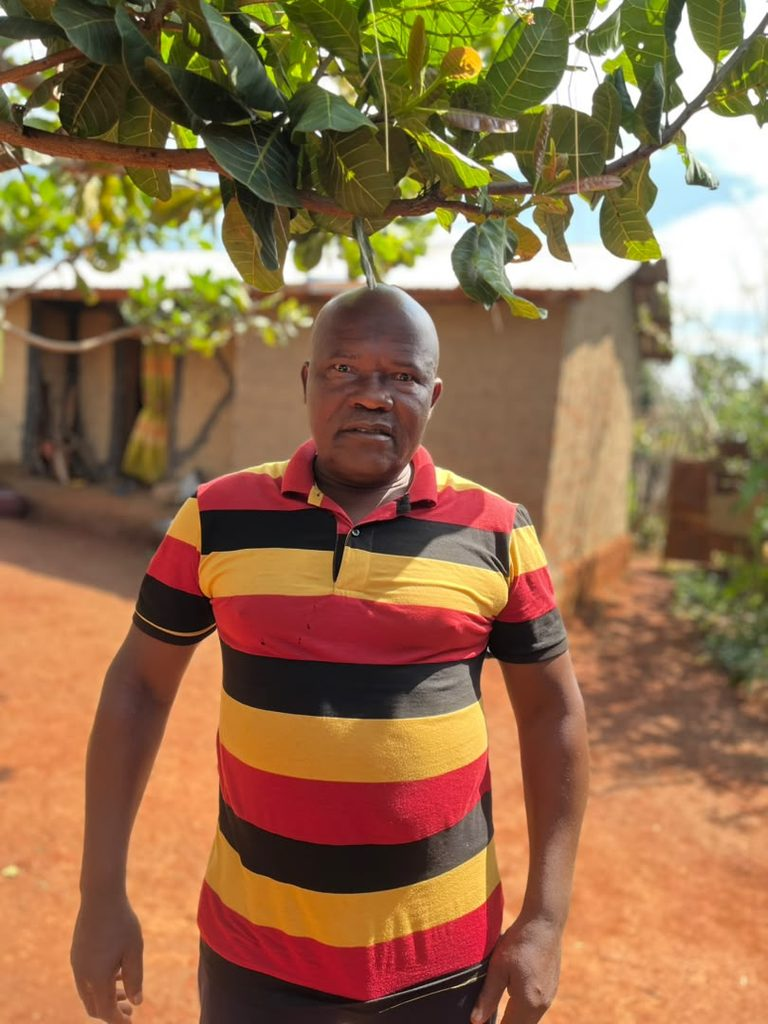
“It is 3 to 4 kilometers away,” he says. With that distance, he has no choice. When he falls sick, he suspects the water. He has watched the water make his cows sick, too. His only defense is to boil the water before drinking it himself. During the dry season, the situation becomes even more dire. “There is no water even for the cows,” he notes.
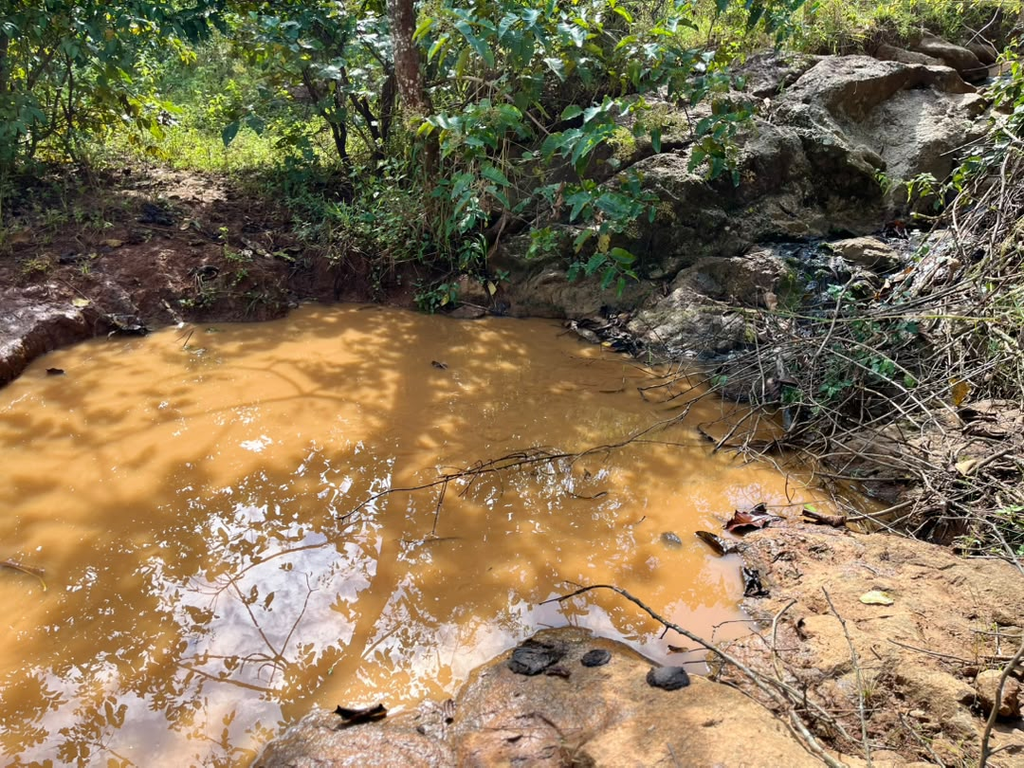
What research tells us
There is scientific evidence that livestock activity can affect water quality, but research from elsewhere cannot establish what is happening at a particular source in Mayo-Banyo. A 2025 study conducted in Mbang-Foulbe, Adamawa, by International Journal of Environment and Climate Change revealed alarming levels of contamination in wells near cattle markets.
The study found that a well located directly at a cattle market had nitrate levels of 41.864 mg/L. According to World Health Organization (WHO) standards, this level exceeds safe limits for human consumption, posing severe risks, especially to infants and children
Cattle entering a water source can introduce fecal matter and other pollutants. Boiling water kills bacteria, but it does not remove dissolved nitrates or heavy metals. Repeated attempts to reach local environmental experts and hydrologists to assess the specific contamination levels in Mayo Banyo were unsuccessful.
Dr Ukum Simon, a physician who treats patients from these communities, says he has seen cases of illness that may be linked to unsafe water “There have been cases of waterborne diseases that I have noticed, especially during the exchange of seasons from rainy seasons to dry seasons,” Dr. Simon says
Dr. Ukum Simon says local health centers see a spike in cases of waterborne related diseases, particularly during the transition between seasons.
Cases of diarrhea are a constant reality. However, without water testing and clinical or epidemiological evidence, the cause of individual illnesses cannot be established. “People living in villages have limited access to clean water,” Dr. Simon notes.
Questions of accountability
Despite the documented risks, there is no evidence that government authorities have ever tested the water in Mayo Banyo. A 2019 MIRA assessment in the Mayo-Banyo division found that waterborne diseases like diarrhea and typhoid fever are among the main causes of morbidity.
In the absence of government intervention, families are forced to adopt dangerous coping mechanisms. According to regional data, 95% of households in the area are unaware of proper water purification methods. They resort to decantation letting the water sit so visible particles settle or boiling, which does not remove dangerous dissolved chemicals like nitrates.
Cameroon currently lacks a specific legal framework to control pollution from livestock waste, leaving communities like Mayo Banyo unprotected.
As the sun sets over Bah Gouroudja, cattle return from grazing and head straight to the village water source. Families like Mallam Umarou’s and Fadimatou’s have little choice but to keep drinking this water, hoping that boiling it will make it safe. Their wells remain untested, and the wait for clean, safe water continues.
This article was produced following training through the Journalism Students Nature Storytelling Lab