By Hans Ngala (CNA Political Affairs Editor)
On the 20th of October 2025, I wrote an article here on CNA titled
“2025 Election: Uncomfortable Truths That Must be Spoken to Anglophones”. My commentary generated quite some discussion among Cameroonians. There were several rebuttals from some Anglophone elites.
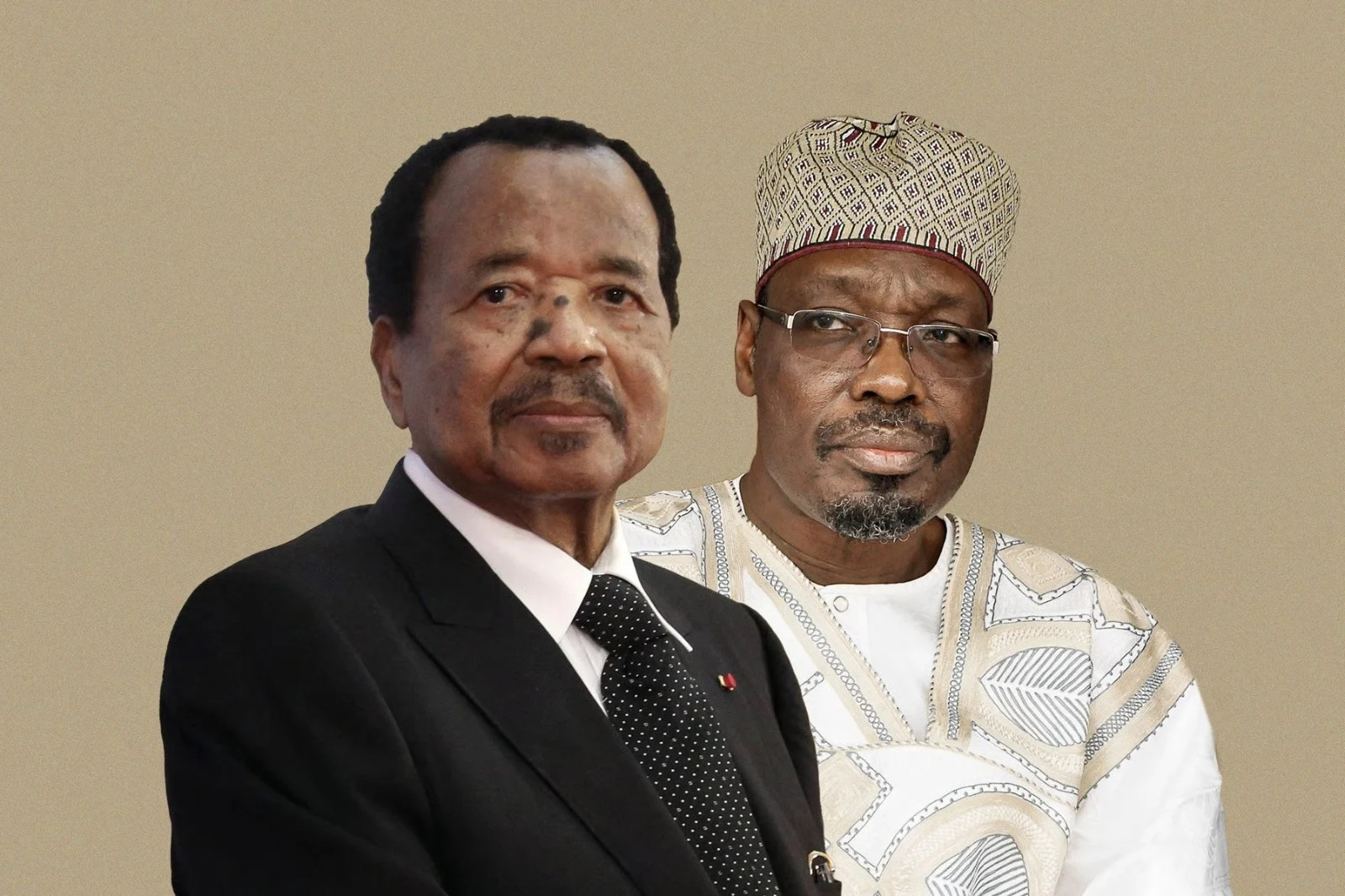
More than three months later, I think we are in a better frame of mind to think now. So let me offer a part two to that earlier analysis. When I wrote my first piece in October, it was never a condemnation of Issa Tchiroma but a call for the Anglophone community to tread with caution in dealing with Tchiroma. I wrote the piece because Anglophones jumped too soon on the Tchiroma bandwagon, and having studied our country’s political landscape, I saw a people who were yearning for change – rightly so. I also saw in Tchiroma a man who knew how to play his cards right when the opportunity presented itself.

I warned that embracing Tchiroma too soon was not a prudent approach, especially when we study the patterns of his past political career. Many people attacked me for saying that. Some said I was sponsored by the current regime. Others simply hurled insults at me. But with most of my warnings having played out exactly as I had warned, I felt the need to remind us that, as a people, we need to re-strategize. We also need to accept that Cameroonians are not ready for change yet.
Tchiroma himself clearly had no plan on how to defend his vote, and even his communication on social media channels has ceased. When I warned that Anglophones embracing him too early without a plan was dangerous, some felt the need to attack me personally. However, with the results having come and gone and with us being unable to defend the other results that were the true results, we must ask ourselves tough questions. What did we get wrong about the electoral process in Cameroon? Did we put too much confidence in Tchiroma? Did we underestimate Biya’s grip on state institutions?
I think it is safe to say that we knew the answers to the above questions all along, but we chose to deny the truth. Perhaps most Cameroonians were hoping that the Northerners (where Tchiroma comes from), would defend “their” votes and claim Etoudi. Already, the NW and SW regions have been embroiled in a decade-long conflict and were not particularly enthusiastic about the election anyway. Voter turnout in these two regions was very timid, even though Biya was declared “winner” there, ironically.
Cameroonians have another seven long years to re-strategize, to organize themselves, and make sure they correct the errors they made last October. Any refusal to heed this call would be to repeat the mistakes of October 2025.