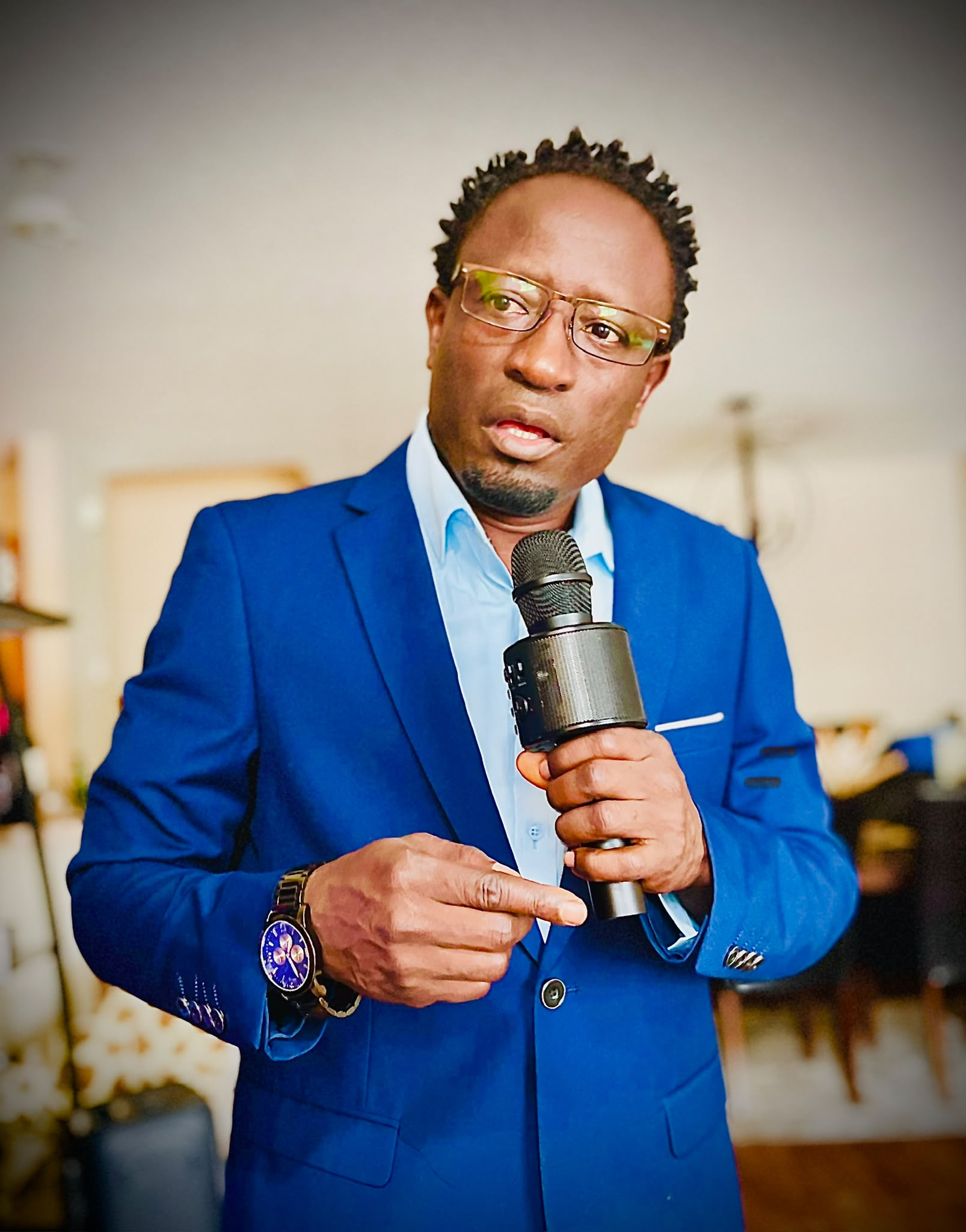
By George Tando
Journalist, Critic, Analyst
based in USA.
There was a time when becoming a journalist, counselor, teacher, or public commentator required years of education, professional training, ethical orientation, and practical experience.
Today, however, social media has created an environment where virtually anyone with a smartphone and internet access can claim expertise in subjects they know very little about.
While technology has democratized the flow of information, it has also opened the floodgates to misinformation, deception, and dangerous public influence.
Across social media platforms, a new generation of self-proclaimed “influencers” has emerged.
Many have built enormous followings despite lacking any formal education or professional qualifications in journalism, psychology, law, medicine, finance, or public administration. Yet they confidently report breaking news, offer relationship counseling, prescribe solutions to complex social problems, and pronounce themselves authorities on matters that profoundly affect people’s lives.
The consequences are becoming increasingly alarming.
Every day, countless blogs and social media pages publish sensational stories without verifying facts or consulting credible sources.
In their desperate race for clicks, likes, shares, and followers, accuracy has become secondary to popularity. Rumours are presented as facts. Half-truths become headlines. Personal opinions are disguised as expert analysis.
Unfortunately, misinformation spreads much faster than the truth. Within minutes, an unverified post can reach hundreds of thousands of people, destroying reputations, creating unnecessary panic, fuelling hatred, or inciting conflict. By the time the facts are established, the falsehood has already shaped public opinion.
This reckless behaviour is not journalism. Journalism is built on verification, fairness, accountability, and ethical responsibility. Every responsible journalist understands the importance of confirming information from multiple reliable sources before publication. Sadly, many social media influencers ignore these professional standards because controversy generates more engagement than accuracy.
Equally disturbing is the growing trend of unqualified relationship advisers dominating social media. Every day, millions of young people consume videos offering simplistic solutions to marriage, dating, parenting, and family conflicts. Many of these influencers have neither studied psychology nor received professional counseling training. Their advice often reflects personal opinions, isolated experiences, or content designed merely to entertain and attract attention.
The danger is obvious. Every relationship is unique. Every family faces different circumstances. Advice that may appear attractive in a one-minute video could destroy a marriage, encourage unhealthy relationships, or create unnecessary divisions within families when applied without proper understanding.
Young people are perhaps the greatest victims of this digital culture.
They spend countless hours following influencers whose online lives often portray extravagant wealth, luxurious lifestyles, expensive vehicles, designer clothing, and seemingly effortless success. What many fail to realise is that social media frequently presents carefully edited highlights rather than reality. Behind the glamorous photographs may lie debt, sponsorship deals, rented properties, digital manipulation, or lifestyles that are simply unsustainable.
As young followers compare their ordinary lives with these carefully manufactured images, many develop feelings of inadequacy, anxiety, frustration, and low self-esteem. Some become obsessed with chasing online fame rather than pursuing education, vocational skills, entrepreneurship, or meaningful careers. Others are tempted into dishonest or illegal activities in an attempt to imitate the lifestyles they admire online.
The solution is not to reject social media altogether. Social media remains one of the greatest tools for communication, education, business, networking, and civic engagement. Rather, society must learn to use it wisely and responsibly.
Parents must become more involved in guiding their children’s digital habits. Schools should introduce media literacy programmes that teach students how to distinguish verified information from misinformation and how to evaluate online sources critically.
Religious institutions, community organisations, and civil society groups should also educate the public on responsible digital citizenship.
Most importantly, people must know where to seek trustworthy information.
Breaking news should be obtained from reputable media organisations that adhere to professional journalistic standards and rigorous fact-checking. Medical concerns should be discussed with licensed healthcare professionals. Legal matters belong to qualified lawyers.
Financial decisions should be guided by certified financial experts. Relationship and mental health challenges should be addressed with trained counselors, psychologists, respected faith leaders, or experienced family mentors—not anonymous social media personalities seeking views and followers.
Credibility is not measured by the number of followers a person has. It is measured by knowledge, competence, integrity, and accountability. A million followers do not make someone an expert, just as a viral video does not make every opinion true.
As consumers of information, we also bear responsibility. Before believing, sharing, or acting upon any social media content, we must pause and ask simple questions: Who is the source? Is the information verified? Can it be confirmed by credible institutions or professionals?
The digital age has given everyone a voice. That is a remarkable achievement. But with that freedom comes responsibility. If we fail to distinguish between influence and expertise, popularity and credibility, entertainment and truth, we risk raising a generation that values viral content over verified facts.
Our communities deserve better. Truth deserves better. And our young people deserve role models whose influence is grounded not merely in popularity, but in knowledge, integrity, and responsibility.