By Synthia Lateu
The Yaoundé Military Tribunal recently delivered its verdict in the 2020 Ngarbuh massacre case, closing nearly six years of legal proceedings. The ruling has drawn sharp criticism from human rights organisations, which say the sentences handed down are lenient and risk reinforcing impunity within Cameroon’s defence and security forces.
In a statement reacting to the judgment, Human Rights Watch said on February 24 that the prison terms imposed on those convicted fail to reflect the gravity of the crimes and underscore the authorities’ inability or unwillingness to hold senior military officials accountable.
“Prosecutors did not pursue any evidence about who planned and ordered the killings,” the organisation said, adding that the failure to investigate command responsibility and to provide reparations to victims’ families has deepened their suffering.
The military tribunal convicted four individuals, including two soldiers and a gendarme, sentencing them to between five and ten years in prison for acts of violence that led to the deaths of civilians, including women and children.
Human Rights Watch also described the fines imposed as modest.
Reacting to the ruling, human rights defender Philippe Nanga warned that the decision could set a dangerous precedent.
“That decision may reinforce impunity among the forces of law and order,” he said. “It may unfortunately encourage others to commit similar acts, knowing their liberty will not be affected, especially since those who were spared include individuals higher up the chain of command.”
Nanga criticised the failure to investigate those who allegedly planned or authorised the operation, describing it as a serious flaw in the judicial process.
“The bosses, the hierarchy, were not considered,” he said. “Not pursuing those who guided the operation on the ground remains a major problem.”
He further urged the Cameroonian state to publicly acknowledge responsibility and provide reparations to victims.
“This is not just about one person or one family,” Nanga said. “An entire village was affected. At the very least, there should be public recognition and reparations. Such a gesture would help appease affected communities.”
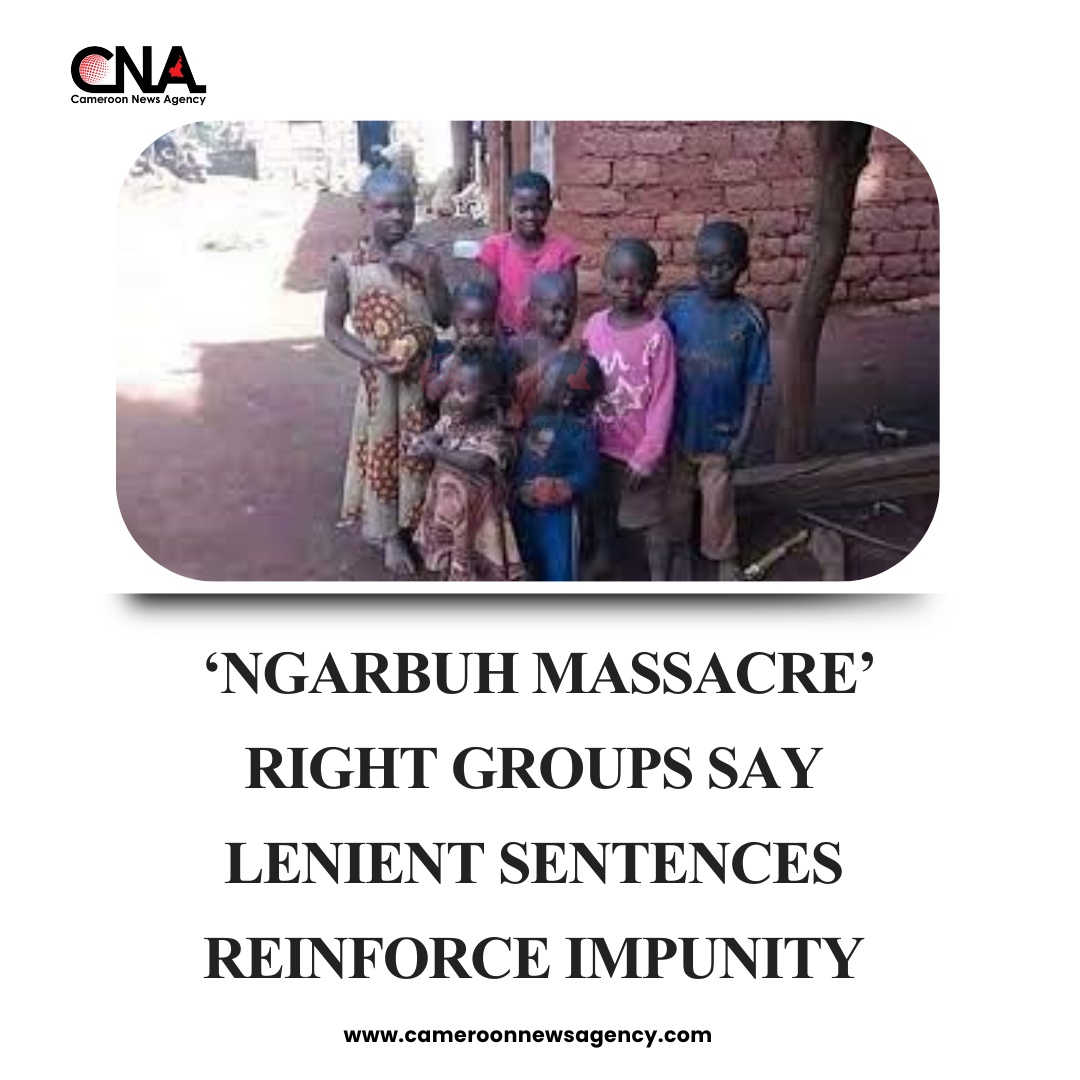
Human Rights Watch said that in February 2020, government forces and allied ethnic Fulani militiamen killed at least 21 people in Ngarbuh, including 13 children and a pregnant woman. Homes were burned, property looted, and residents beaten during what the organisation described as a reprisal operation.
The group added that the trial was marred by serious shortcomings, noting that no senior officers were arrested or charged, 17 ethnic Fulani militiamen accused of murder remain at large, and victims’ families had limited access to the proceedings.
“key evidence was excluded, and the court rejected claims for compensation.” Human Rights Watch said.