By Hans Ngala
At the time of typing this, the DRC has reported more than 300 cases of ebola already. The outbreak was announced in mid-May. So far, 241 deaths have been recorded and the trajectory seems to be rising.
Given that Cameroon is not too far from the DRC, one would expect that our media would begin to use their platforms to sensitize the public and prevent or at least – curb – the spread of the disease if it does eventually reach Cameroon.
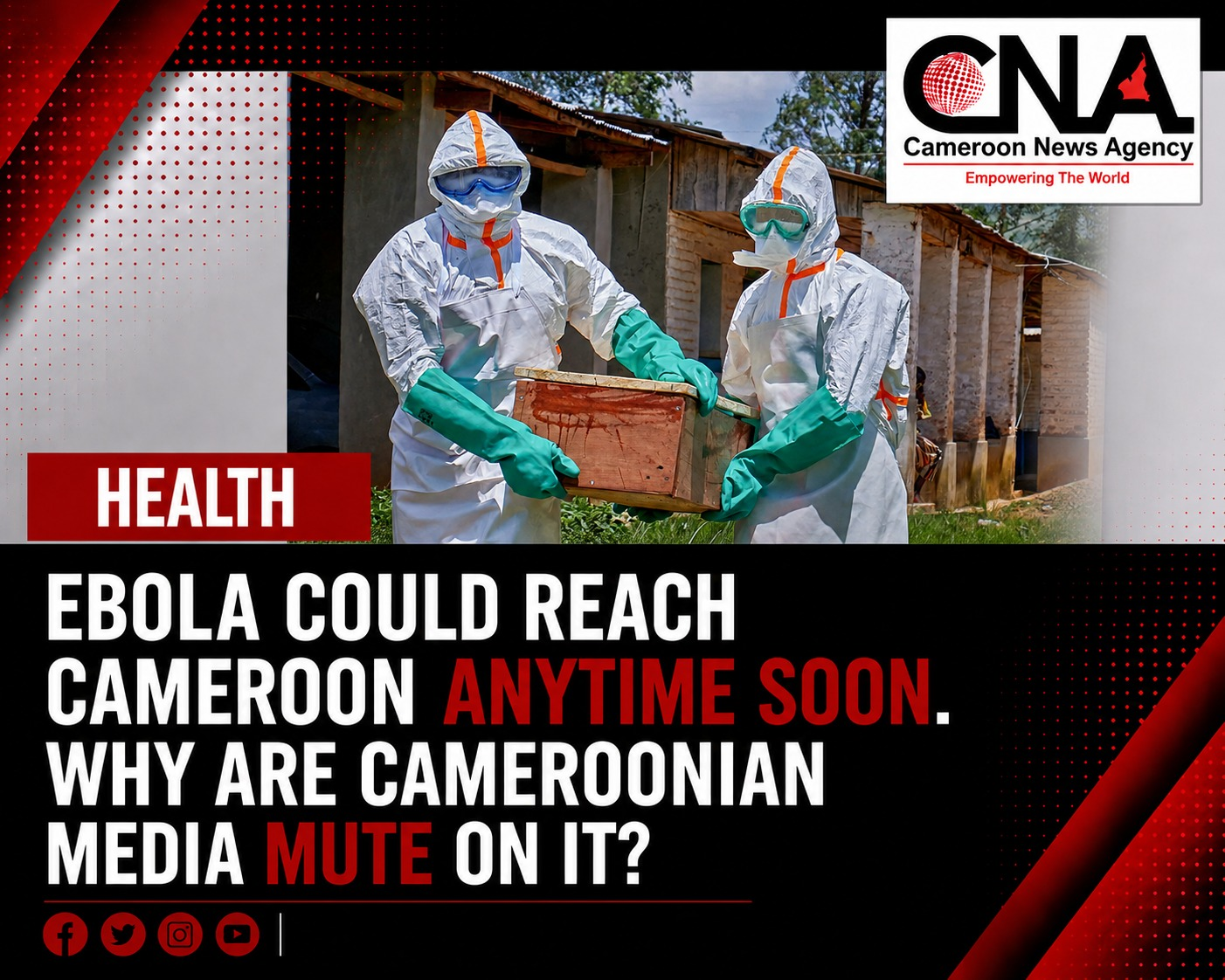
Ebola is a zoonotic disease – meaning it is spread from animals to humans. Infected humans can then pass on the disease to others through bodily fluids (sweat, blood, vomit, saliva, semen). Handling the corpse of someone who has died from ebola is also very risky as the corpse is also highly infectious – exposing healthcare workers to great risk of the disease. According to Doctors Without Borders, 95% of cases end in fatality.
As such, it is very necessary that Cameroonian media begin to educate the masses about the disease. Cameroon, like many countries in West and Central Africa, have a culture of consuming bushmeat (antelope, grasscutter, deer, snakes, chimpanzee/monkey etc). It is now scientifically confirmed that ebola spreads to humans from the consumption of bushmeat and yet, it remains a delicacy for many and a source of income for the hunters selling it. So how can the media play a role?
What the Media Should Do
In light of this public health danger, media should engage with medical experts (doctors, immunologists, virologists and other experts from the WHO and Ministry of Public Health) to sensitize Cameroonians on the risks of consuming bushmeat, the need for handwashing, hand sanitization and not spreading false information e.g. by claiming that cooking bushmeat for long will kill the virus when in fact this is false.
Public awareness campaigns should explain the early symptoms of the disease, which include fever, fatigue, headache, muscle pain, vomiting and diarrhea. Because these symptoms resemble those of malaria and typhoid, many people may fail to seek medical attention early enough. The media can help citizens understand when and where to seek treatment.
Journalists should also produce stories that explain how Ebola spreads and debunk common myths. During previous outbreaks in Africa, misinformation spread almost as quickly as the virus itself. False claims about miracle cures, traditional remedies and conspiracy theories undermined public health efforts and cost lives. Media outlets have a responsibility to verify information before publishing it and to challenge dangerous falsehoods circulating on social media.
Radio stations in particular have a critical role to play. In rural Cameroon, radio remains one of the most accessible sources of information. Programmes in local languages can ensure that vital health messages reach communities that may not have access to television, newspapers or the internet. Health experts should be invited regularly onto talk shows to answer listeners’ questions and address concerns.
Also, since most Cameroonians trust their priests and pastors over health professionals, religious leaders need to be involved along with the media in giving factual information. Pastors, priests and imams need to be interviewed and they need to tell their followers that ebola (like other infectious diseases) CANNOT be cured by prayers. Because some of those with symptoms may refuse to seek treatment, thereby exposing others to grave danger because of their religious beliefs.
Television channels can complement these efforts by broadcasting educational documentaries, interviews and public service announcements demonstrating proper hygiene practices. Simple messages about frequent handwashing, avoiding contact with bodily fluids, reporting suspected cases and seeking professional medical care can make a significant difference.
The media should also hold public institutions accountable. Journalists should ask whether Cameroon has sufficient surveillance systems at border points, adequate laboratory capacity, enough personal protective equipment for healthcare workers and clear emergency response plans. Preparedness is not something that should begin after the first case is detected. It should begin long before.
Furthermore, media houses can collaborate with civil society organizations, religious leaders and community influencers to amplify accurate information. In a country where trust in institutions can sometimes be limited, trusted local voices can help reinforce public health messages and encourage compliance with preventive measures.
The experience of the COVID-19 pandemic demonstrated that health communication can save lives. It also showed that delayed communication creates room for rumors, fear and confusion. The lessons learned during COVID-19 should not be forgotten.
Ebola may not yet be in Cameroon, but waiting for the first confirmed case before educating the public would be a dangerous mistake. The purpose of journalism is not merely to report disasters after they occur; it is also to inform citizens about risks and help societies prepare for them.
Cameroonian media have a unique opportunity—and responsibility—to place Ebola on the public agenda before it becomes a national emergency. By educating communities, challenging misinformation, amplifying expert voices and scrutinizing government preparedness, journalists can become a crucial line of defense against a disease that has devastated communities elsewhere on the continent.
When it comes to Ebola, silence is not neutrality. Silence can cost lives.