By Nfor Hanson Nchanji
YAOUNDÉ, June 18, 2026 (CNA) – The Government of Cameroon says the creation of the Cameroon Electricity Corporation (SOCADEL) marks a major step in restoring state control over the country’s electricity sector and improving energy governance.
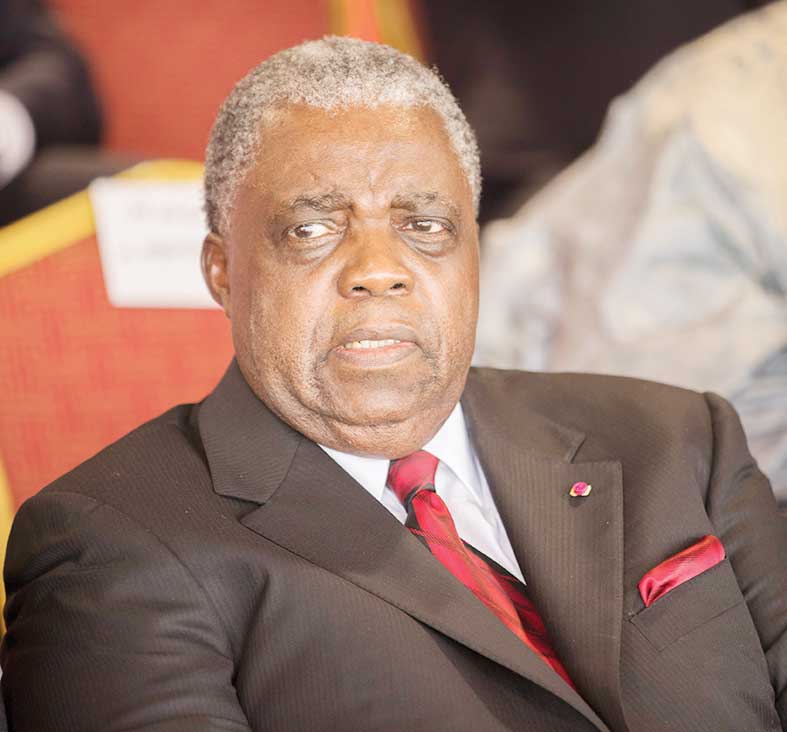
Speaking during a joint press conference with the Minister of Water Resources and Energy on Thursday in Yaoundé, Minister of Communication and Government Spokesperson René Emmanuel Sadi said the establishment of SOCADEL follows the government’s acquisition of a majority stake in Energy of Cameroon (ENEO), formerly owned by British investment fund ACTIS.
Sadi recalled that the state completed the nationalization of ENEO in November 2025, increasing its shareholding in the electricity company to 95 percent. The move paved the way for the creation of SOCADEL through a presidential decree signed on May 4, 2026.
According to the minister, SOCADEL has been mandated to generate, transport, distribute, import and export electricity, effectively placing the strategic sector under full state oversight.
“The establishment of SOCADEL enables the State to pursue another phase of the reform process initiated in November 2025, with the ambition of strengthening governance within the sector, sustainably improving electricity distribution and better meeting the needs of citizens and the national economy,” Sadi said.
Government officials say the reform is aimed at reinforcing Cameroon’s energy sovereignty while improving service delivery and infrastructure management.
Following the company’s creation, the Minister of Water Resources and Energy installed the chairperson of the board, the general manager and the deputy general manager on May 5, 2026, marking the start of SOCADEL’s operations. The corporation emerged from the transformation of ENEO and is wholly owned by the State of Cameroon.
Beyond managing public electricity services, SOCADEL is expected to oversee electricity infrastructure development, improve the stability of the national power grid, reduce energy losses, combat electricity fraud and manage assets previously held by ENEO.
Sadi acknowledged that the new corporation faces significant financial challenges, including reducing debt levels that continue to affect cash flow and investment capacity. He added that stronger debt-recovery measures, particularly involving public institutions, would be required to improve the company’s financial performance.
The government also identified electricity fraud as a major obstacle to revenue generation and said SOCADEL’s management has been tasked with implementing measures to curb the practice.
Sadi expressed confidence in the new management team, noting that initial actions undertaken since the company’s launch provide hope that the corporation will meet the objectives assigned by the government.
He described the creation of SOCADEL as a strategic reform designed to consolidate national control over the electricity sector and advance Cameroon’s energy sovereignty agenda.