Cameroon At Risk of Debt Distress, World Bank Warns
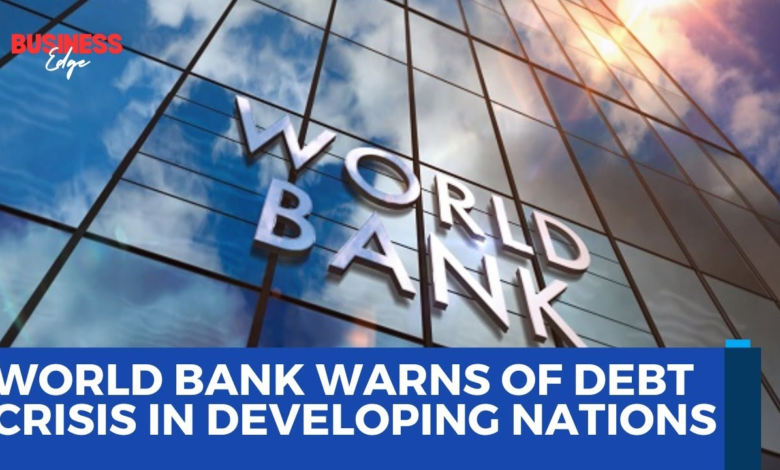
Cameroon is among the Sub-Saharan African countries at high risk of debt distress, according to the World Bank’s latest debt sustainability analysis. Debt distress means a country is struggles or becomes unable to meet its financial obligations, failing to repay loans or service its debt, often leading to severe budget cuts in essential services like health and education, loss of investor confidence, higher borrowing costs, and potential default, requiring debt restructuring. Cameroon’s external debt now stands at over 14,000 billion CFA.
While Yaounde continues to borrow to fill budget gaps and finance infrastructure, rising debt-service costs are shrinking the fiscal space needed to tackle poverty, unemployment, and weak social services.
As in much of Africa, Cameroon’s debt is largely external, exposing public finances to exchange-rate shocks and higher global interest rates. This means more public revenue is diverted to servicing loans rather than funding health care, education, or job creation. The situation is aggravated by limited economic diversification, leaving the country vulnerable to commodity price swings and slowing growth. Biya’s best job creation strategy is only to launch public recruitment. It may have worked in the 1980s but it clearly doesn’t work in the 2020s.