By Jabi Katy Chale in Mombasa
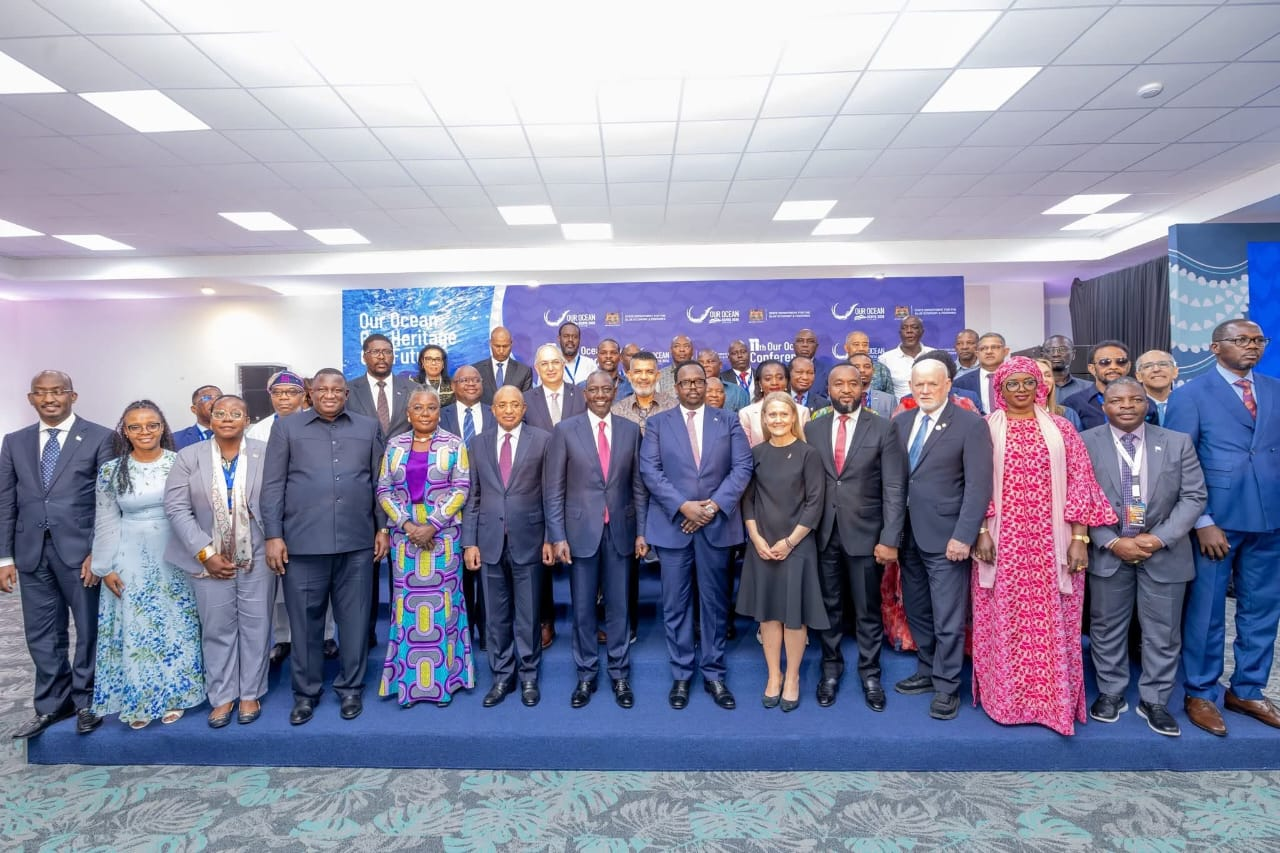
The 11th Our Ocean Conference (OOC), held for the first time in Africa, concluded in Mombasa, Kenya, with countries announcing 320 new commitments, valued at approximately $6.4 billion, aimed at advancing marine sustainability and ocean governance.
The three-day conference brought together about 5,000 participants from more than 100 countries, including government officials, scientists, Indigenous leaders, youth representatives, business executives, civil society organizations, and community stakeholders to discuss solutions to growing threats facing the world’s oceans.
According to conference organizers, the latest pledges add to a decade-long record of ocean action. Since its inception in 2014, the Our Ocean Conference has generated 3,220 commitments valued at approximately $175.6 billion, making it one of the world’s leading platforms for mobilizing ocean conservation efforts.
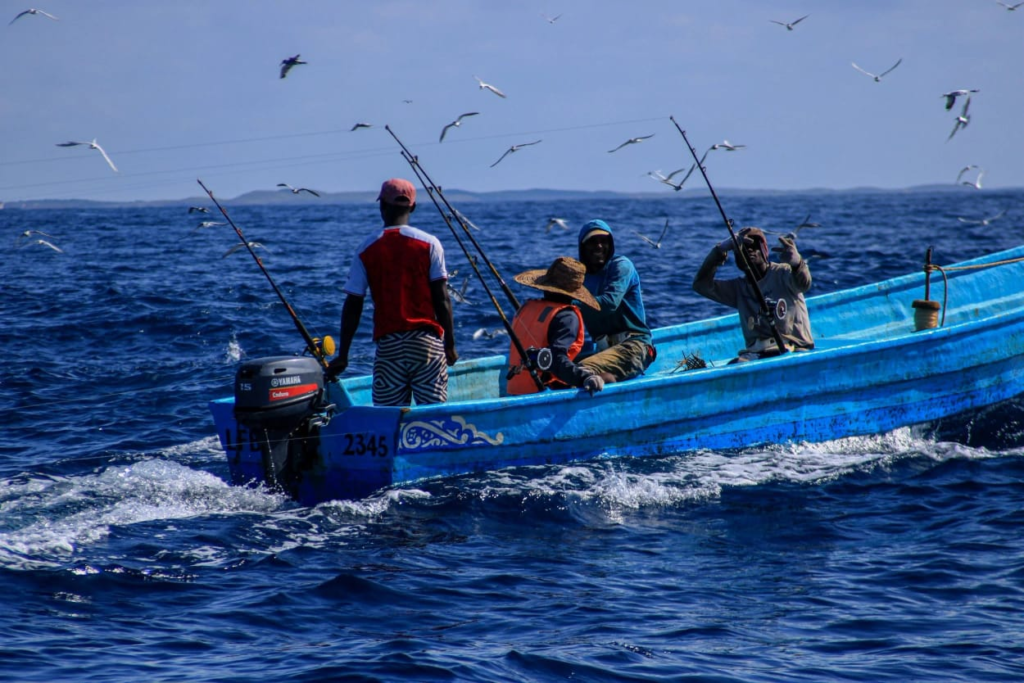
The 2026 commitments focused on sustainable fisheries, blue carbon initiatives, marine conservation, marine protected areas, and efforts to combat illegal, unreported and unregulated (IUU) fishing.

Among the conference’s notable outcomes were the adoption of the Mombasa Declaration by 16 countries, the launch of the 1,000 Ocean Startups initiative, the unveiling of a National Plastic Action Partnership involving Kenya, the World Economic Forum’s Global Plastic Action Partnership and UNDP Kenya, as well as the presentation of the Blue Park Awards, amongst others.
Noella Mbotiji, a marine conservationist with the African Marine Conservation Organization in Cameroon, finds the commitments impressive but insists that collaboration can greatly advance their implementation, something she learned from the plenary sessions and from witnessing the success of collaborative efforts highlighted throughout the conference. She describes her first OOC attendance as a stepping stone towards her work on IUU fishing and advancing blue economies in Cameroon.
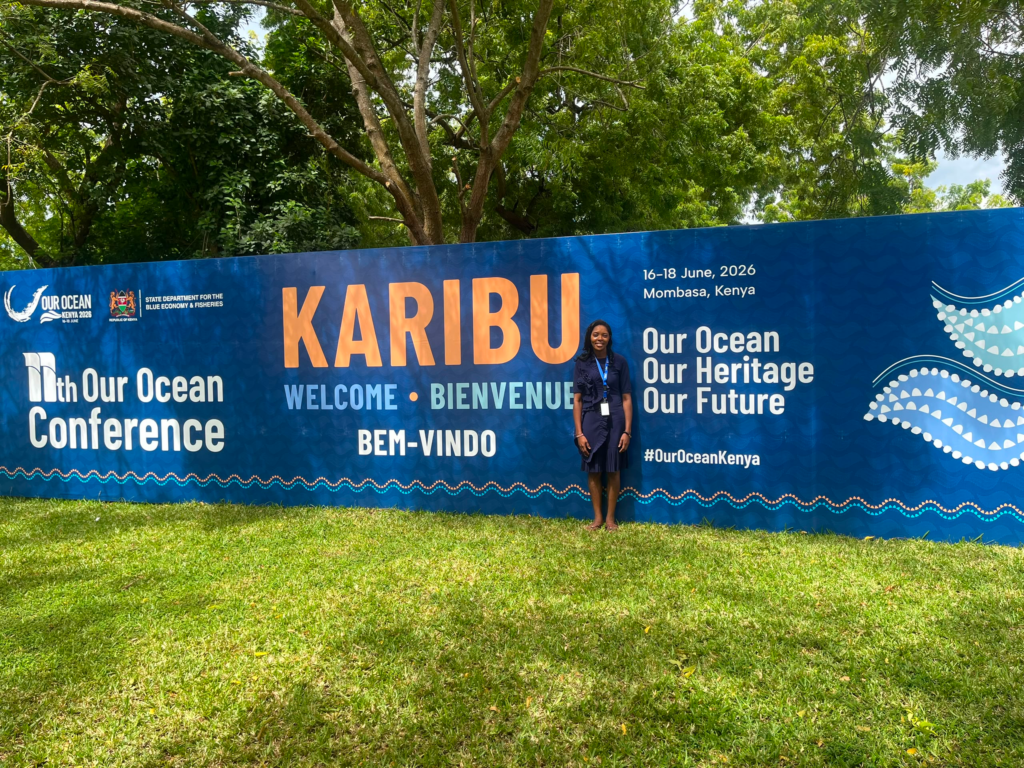
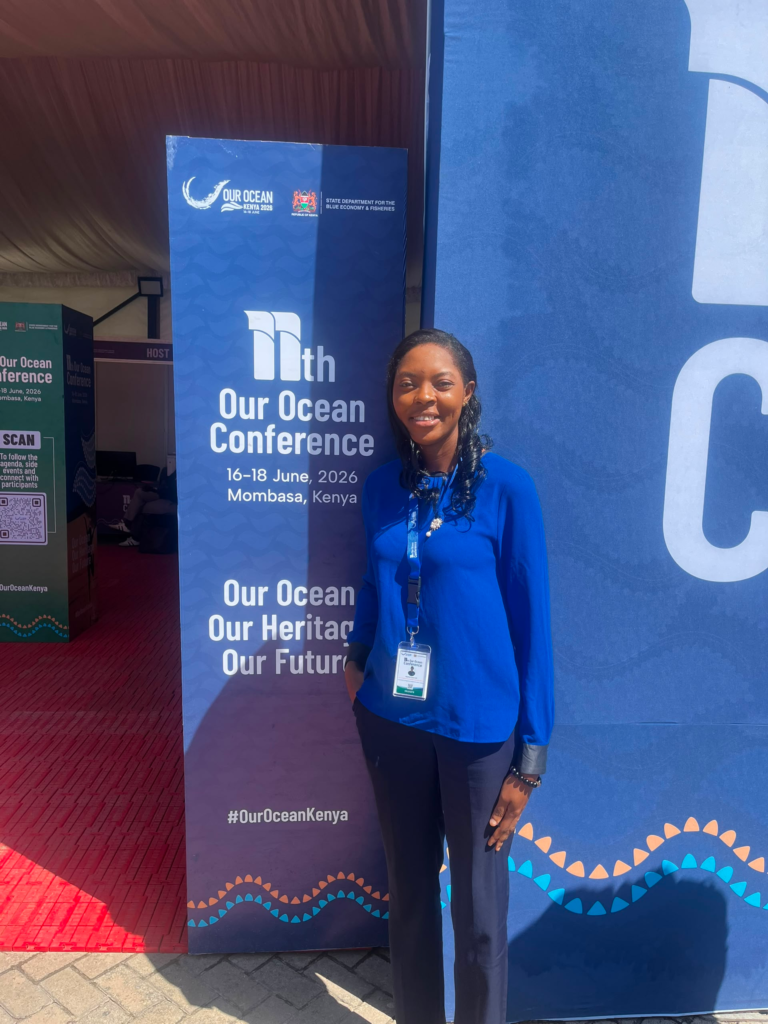
“I have learnt a lot from all the side events. One key lesson from this conference is the fact that no country can work alone. We need to collaborate with each other, learn from each other, and tap into each other’s experiences. I think collaboration is the key for us to move forward,” she said.
“There also needs to be better organization in the future. The sessions were jam-packed and there were consistent cancellations of sessions, leaving participants confused,” she added.
Stanley Egholo, a community rights advocate from Nigeria who works closely with fishers and coastal communities, shared similar views. He said the conference created opportunities for civil society actors to exchange experiences and learn from one another, but questioned whether governments would follow through on their pledges.
“OOC this year was quite engaging, especially for civil society organizations, and there were a few community members at the conference. Although the commitments announced by government delegations were encouraging, implementation remains the challenge. Governments often make promises, but mobilizing the funds and transforming commitments into action becomes the problem,” He remarked.
The concerns echo a broader question facing global ocean governance. Reports from the World Resources Institute (WRI), the Secretariat of the Our Ocean Conference, indicate that approximately 78 percent of commitments made since 2014 are either completed or in progress. Yet despite this progress, the world continues to face mounting ocean challenges.
The Third United Nations World Ocean Assessment, released on June 8 2026 , found that the global ocean is facing a “deepening crisis” driven by climate change, biodiversity loss, pollution and overexploitation, even as governance frameworks continue to improve.
At the same time, a 2026 report by the Food and Agriculture Organization (FAO) points to encouraging progress toward its Blue Transformation agenda, highlighting how countries and partners are translating ocean sustainability ambitions into action through innovation, science, responsible management and community engagement.
As attention shifts to the 12th Our Ocean Conference, scheduled to take place in Canada in 2027, stakeholders say the challenge will not be making new promises, but ensuring that the commitments announced in Mombasa are turned into measurable action for marine health and the coastal communities that depend on it.